.jpg&w=3840&q=75)
Beyond Degrees, Towards Capability
A learning ecosystem designed to develop knowledge, skills, confidence and real-world readiness
Learning designed for application, not accumulation
NEP 2020 Alignment - Integration of skill/vocational learning with competency-based, outcome-oriented higher education
Learning that adapts to the learner, not the other way around
NEP 2020 Alignment - Flexible, multidisciplinary, learner-centric, choice-based education pathways
Where learning involves industry exposure & experience
NEP 2020 Alignment - Integration of internships, on-the-job learning and Earn While You Learn models as core components
Technology-enabled learning for a digital-first world
NEP 2020 Alignment - Expansion of digital and blended learning with integrated technology-enabled teaching, learning and assessment
Graduate with a degree and the experience employers demand
NEP 2020 Alignment - Emphasis on experiential, work-based learning with strong education–employability linkage
Assessing progress, not pressure
NEP 2020 Alignment - Outcome-based education with continuous, formative and multimodal assessment frameworks
Degrees alone don't create employability, skills do. We embed skills at the core of higher education
At Medhavi Skills University, Sikkim, skills are embedded at the core of higher education, not layered on top. Learning moves beyond memorisation to application, problem-solving and real-world performance.
Academic foundations are strengthened through hands-on tasks, industry-relevant challenges and experiential learning. The result is education that builds capability, confidence and career readiness aligned with NEP 2020 and driven by industry realities.

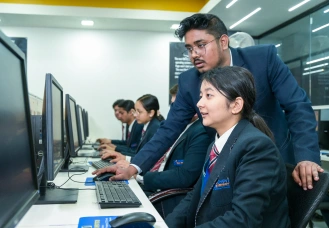
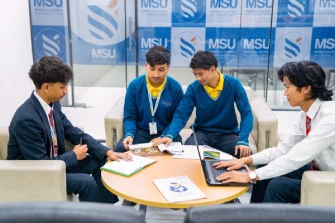
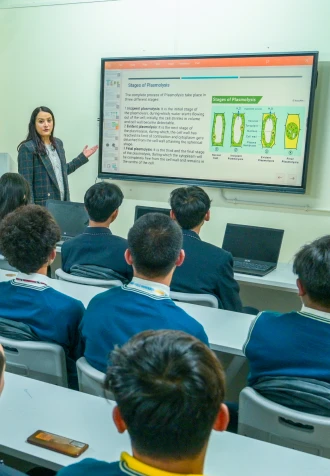
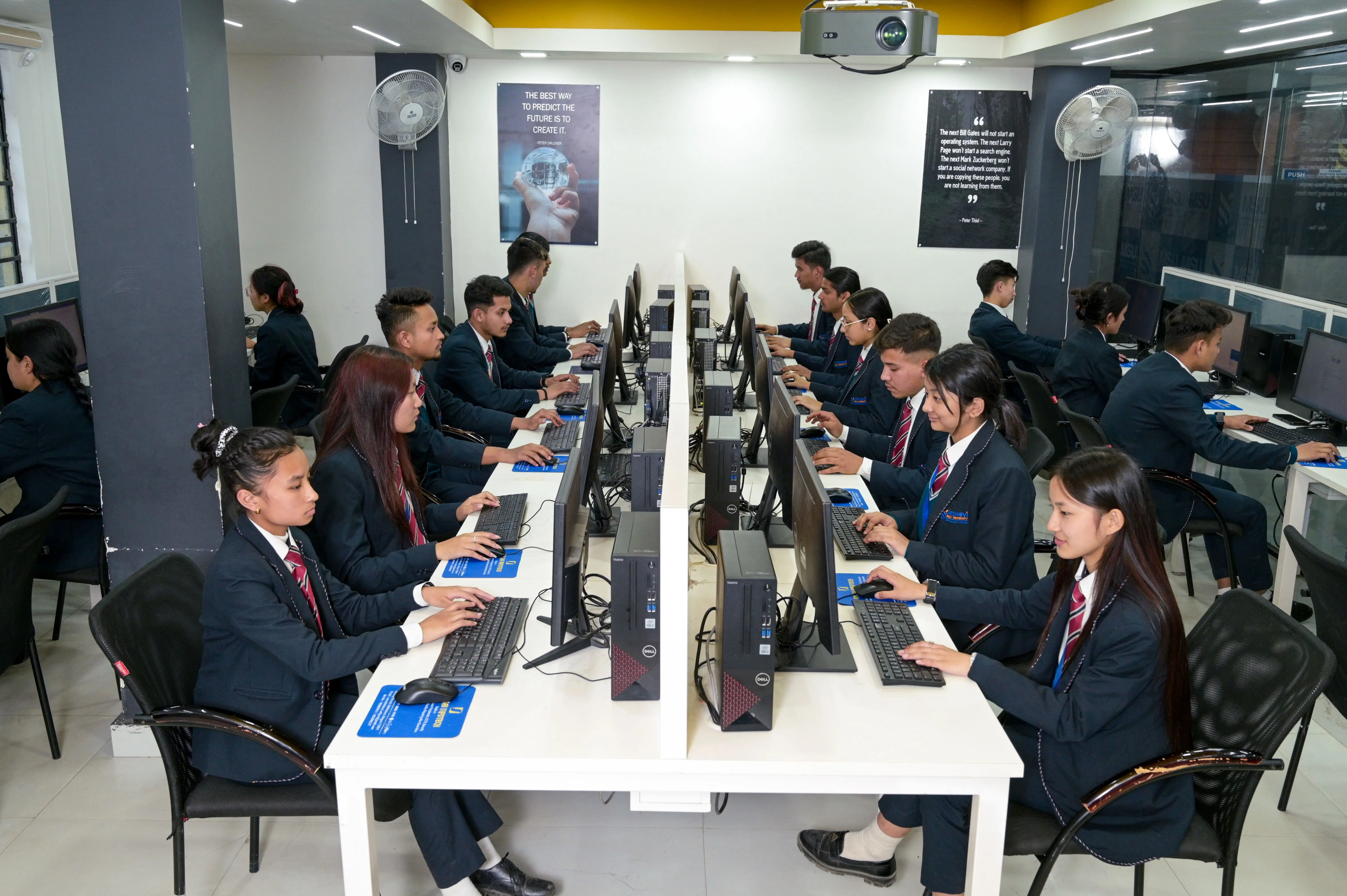
Technology shapes how the world works and at Medhavi Skills University, Sikkim, it shapes how students learn
As a Digital-First University, MSU integrates technology seamlessly into teaching, learning and assessment. Blended learning models, digital platforms and tech-enabled evaluations create flexible, accessible and engaging learning experiences.
Students graduate with strong Digital DNA, ready to adapt, collaborate and perform in digitally driven workplaces.

Learning works best when it adapts to the learner
Medhavi Skills University's learning ecosystem blends classrooms, digital platforms, field exposure, campus life, community engagement and on-the-job experience into one seamless journey. Multiple learning formats support different learning styles, aspirations and career paths, making education accessible, relevant and outcome-driven.
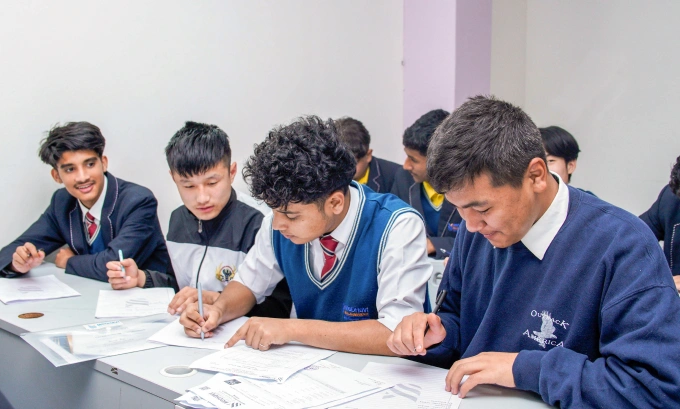
Because employability is built through experience, not after graduation
At Medhavi Skills University, Sikkim, a degree is never delivered in isolation. Learning is designed to run in parallel with experience, ensuring students graduate with academic credibility and real workplace exposure. Industry engagement, applied learning and structured on-the job experience are embedded into the academic journey so graduates step into careers with confidence, clarity and capability.
This integrated approach allows students to apply concepts in real settings, understand workplace expectations early and build professional maturity over time. Experience becomes a continuous learning process, not a post-degree requirement. The result is graduates who are ready to contribute from day one.
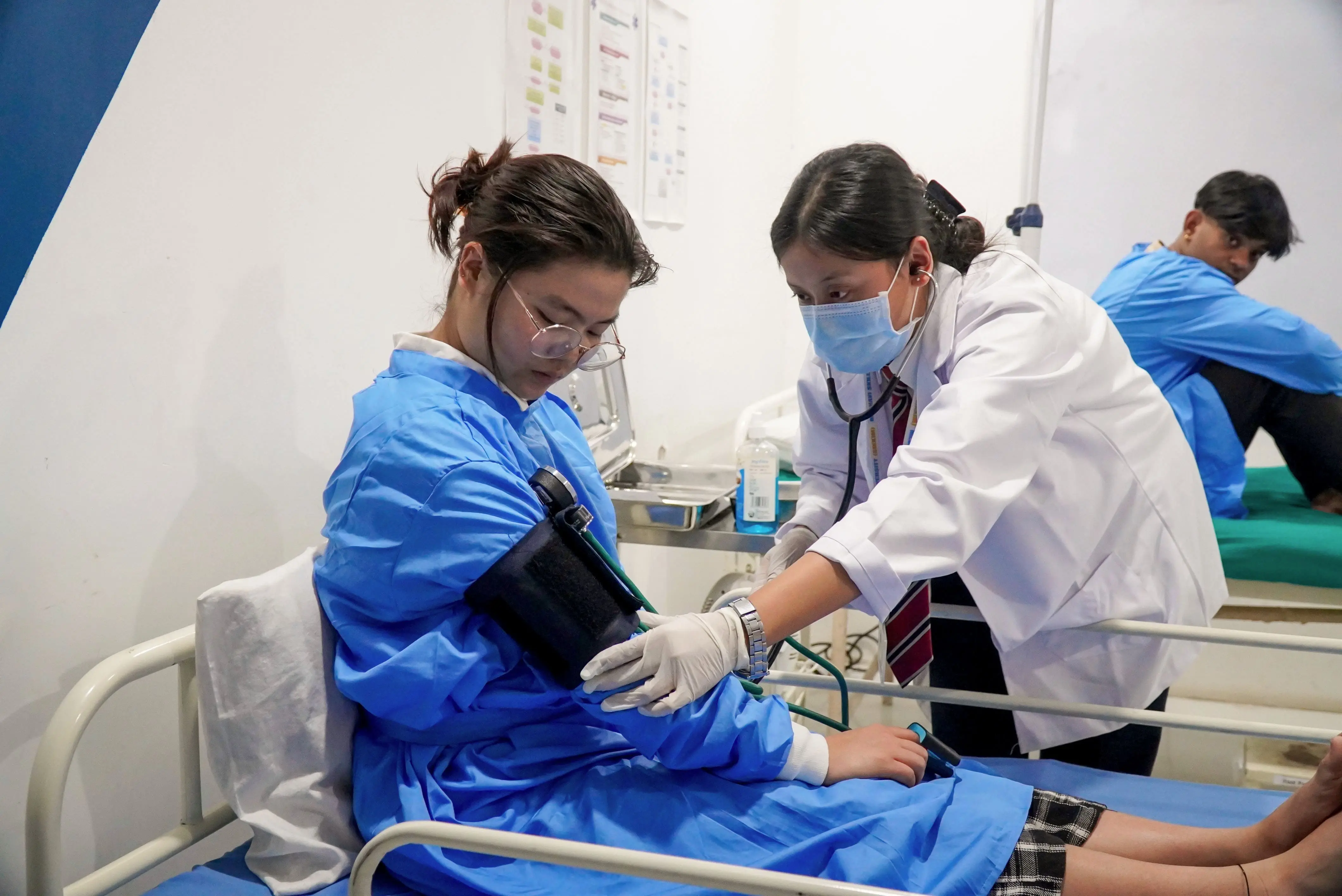

Practical experience integrated into every stage of learning
Medhavi Skills University revolutionises traditional pedagogy by integrating real-world industry experience directly into the curriculum. Through the pioneering “Industry in Campus” approach, students embark on an immersive journey within the campus, gaining practical insights and skills.
This model enables students to actively participate in day-to-day practice-oriented learning, honing their professional competencies under mentor/supervisor guidance. Engaging in real-time industry projects and assessments aligns their learning with industry standards, fostering outcome-based education.
Industry in Campus model stands as a beacon of innovation, transforming education and creating
a paradigm shift in how students prepare for their professional lives
Medhavi Skills University, Sikkim, has embarked on a revolutionary journey in higher education, breaking away from the traditional mould, to embrace a unique teaching pedagogy centred around “Industry in Campus.” This innovative approach integrates the production or service units/business units/OPDs run by different schools to be used for work/practice by the trainees. Not only do they practise core skills, but they also gain firsthand experience of entrepreneurship by being part of these units.
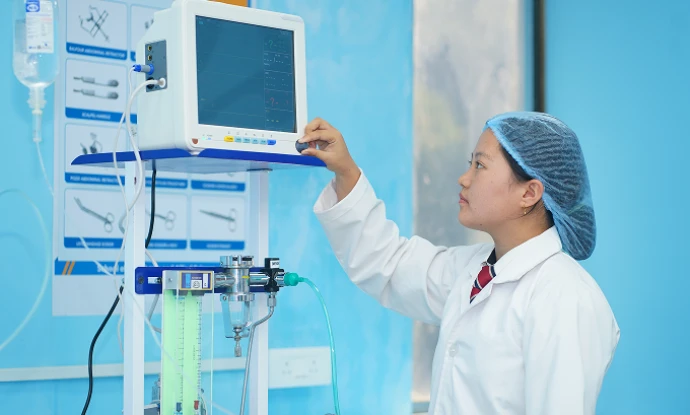
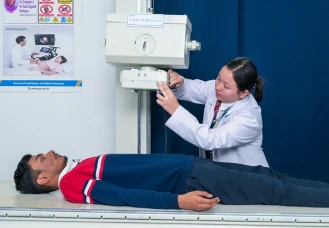
Medhavi Dialysis Centre features in-house facilities, including a fully functional Dialysis Unit, enabling hands-on clinical training
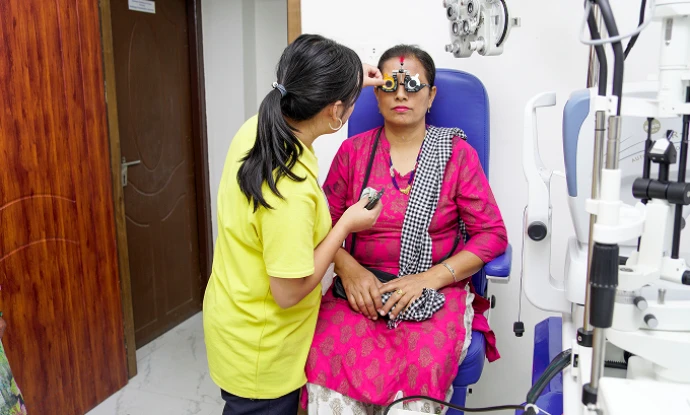
Medhavi Eye Care Clinic offers a fully equipped Optometry Lab and advanced eye testing facilities
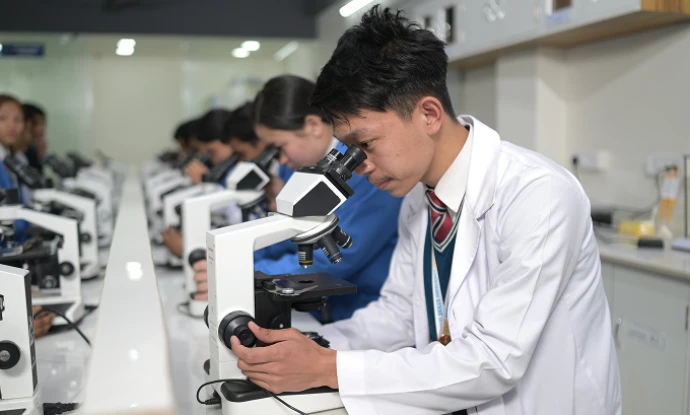
Medhavi Poly Diagnostic Centre provides practical experience in eye testing, various blood sample tests and more

A student run café, honing their skills in bakery, cooking, beverage production and customer service.
Structured evaluation aligned to learning outcomes, prioritising competence and stress-free academic development
At Medhavi Skills University, evaluation is designed to support learning. Our assessment framework focuses on real understanding and practical application, moving beyond memory-driven models. Assessments are learning outcome–based, carefully mapped from Course Learning Outcomes (CLOs) to Programme Learning Outcomes (PLOs).
This ensures that every task, test and project contributes meaningfully to overall academic and professional development. Instead of relying only on end-of-semester exams, MSU follows a continuous and balanced assessment approach, combining formative (internal) and summative (external) evaluations.
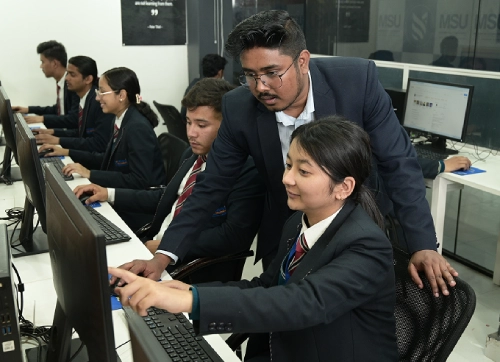
Built on 6 Pillars of Industry-Integrated Education
NEP 2020 and industry-aligned programmes with direct inputs from industry experts

A hands-on curriculum focused on skill application, projects and real-world learning
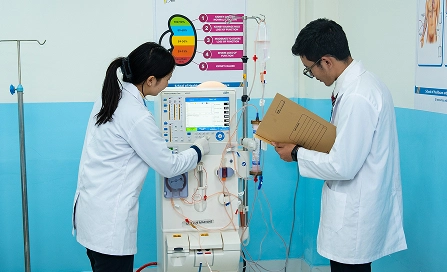
Gain skill certifications from top national & global organisations/platforms
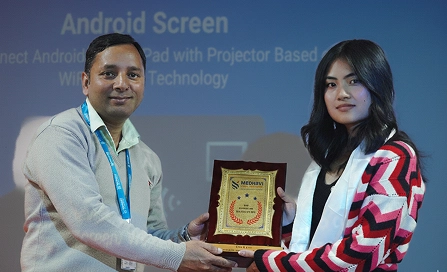
Earn while you learn through paid industry experience built into every degree programme
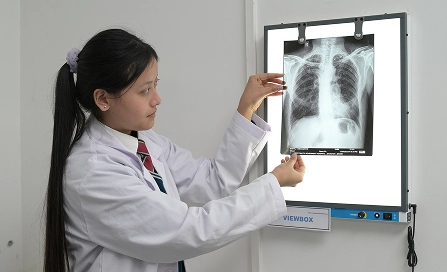
Get guided placement support with Centre for Career Development & Planning (CCDP)
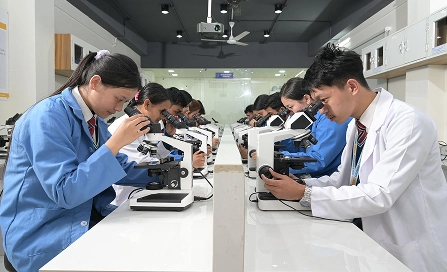
MSU offers 16+ advanced labs across departments to ensure hands-on, industry-relevant education