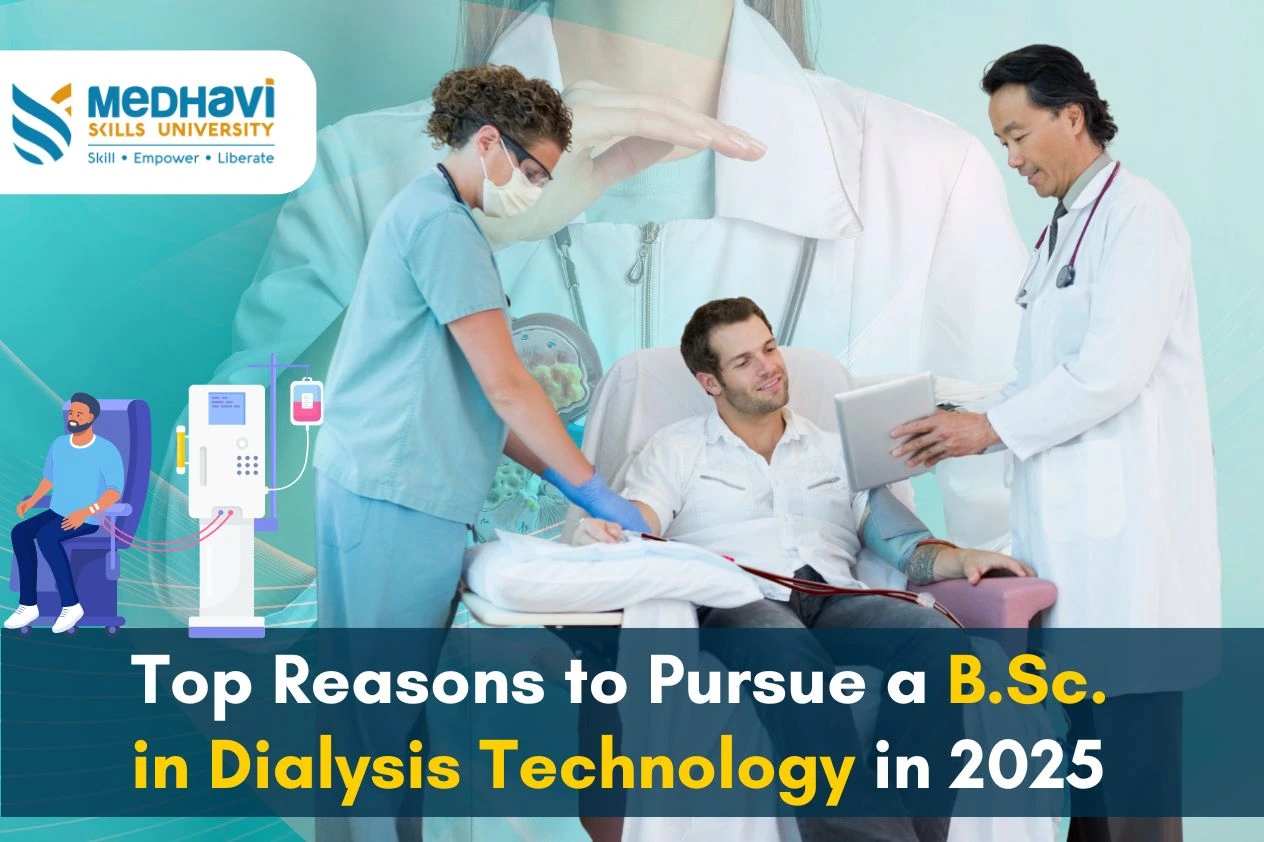
The health care industry is the backbone of contemporary society, and dialysis technology professionals are becoming ever more important with the escalating burden of kidney disease. A B.Sc in Dialysis Technology is a three-year undergraduate course that trains students with specific skills to handle dialysis machines, administer patient care, and assist in life-saving interventions. As the global healthcare sector is evolving and developing rapidly the program will provide new and exciting career opportunities, job security and opportunity for advancement, competitive salary. The purpose of this blog post is to provide reasons related to the importance of pursuing dialysis technology in 2025, the advantages of receiving a B.Sc. in Dialysis Technology, and why Medhavi Skills University is the best option for future healthcare professionals.
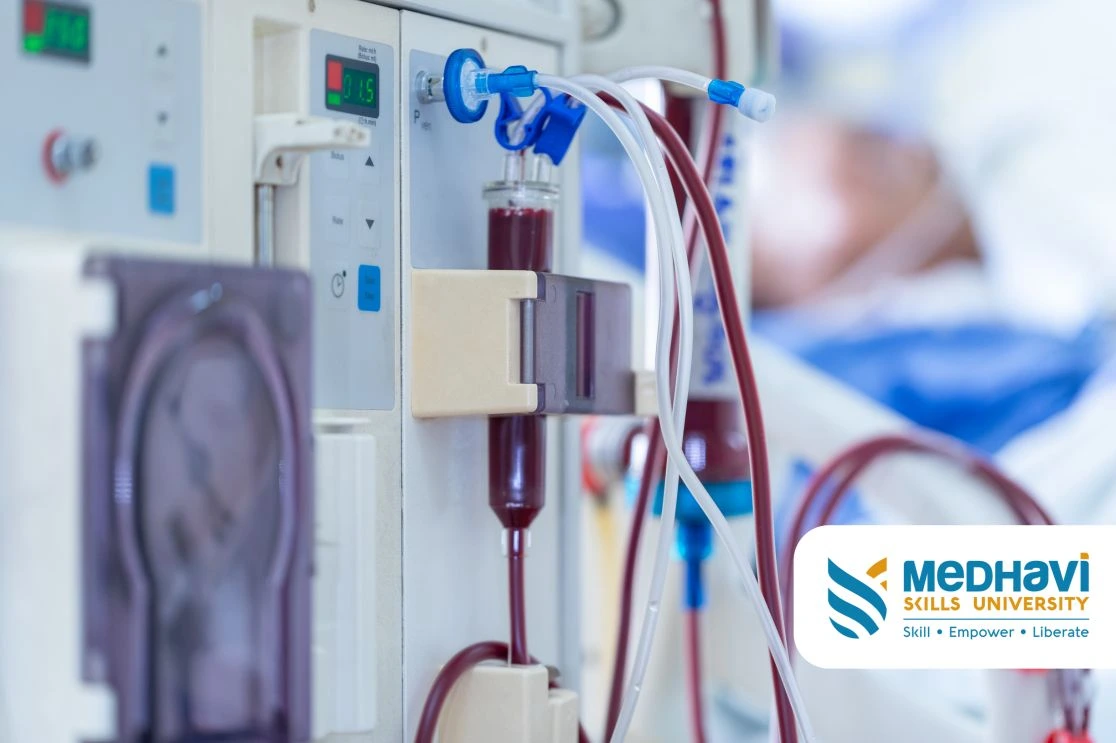
Reasons to study Dialysis Technology?
The need for dialysis technologists is on the rise due to the increasing worldwide prevalence of chronic kidney disease (CKD) and end-stage renal disease (ESRD). The World Health Organization (WHO) estimates that nearly 1.2 million individuals die each year due to kidney failure, and the worldwide prevalence of CKD is 13.4% (2023). Since dialysis is a life-saving treatment for kidney patients, such skilled technologists are in high demand.
Growing Need for Dialysis Experts
The worldwide dialysis industry was worth $96.5 billion in 2022 and is expected to grow to $145.7 billion by 2030 at a CAGR of 5.3% (Grand View Research, 2024).
There are more than 2 million patients in need of dialysis in India each year, but the condition of only 10% of the patients is treated because of a lack of skilled professionals (Indian Journal of Nephrology, 2023). This lack generates a large need for B.Sc Dialysis Technology degree holders with job security and variegated opportunities in hospitals, dialysis units, and clinics. Job Stability and Competitive Salaries Dialysis technologists have secure jobs as a result of the chronic condition of renal diseases, necessitating long-term care. In India, junior dialysis technologists receive INR 3-6 LPA, whereas mid-level practitioners with 5-7 years of experience can receive INR 7-12 LPA (PayScale, 2025). Senior positions, like Dialysis Unit Managers or Renal Care Specialists, receive salaries in excess of INR 15 LPA. The steady demand for dialysis treatment keeps professionals in demand even in times of economic crisis.
International Career Opportunities
Dialysis technologist shortage is a worldwide problem, and nations such as the USA, UK, Canada, and Gulf states actively recruit trained professionals.As noted, dialysis technicians in the USA earn RO 40,000 – RO 60,000 annually, in addition to other perks, such as expedited immigration procedures for health care professionals (U.S. Bureau of Labor Statistics, 2024). Indian B.Sc graduates in Dialysis Technology may also apply for overseas certifications, e.g., Certified Clinical Hemodialysis Technician (CCHT), and increase their employability overseas.
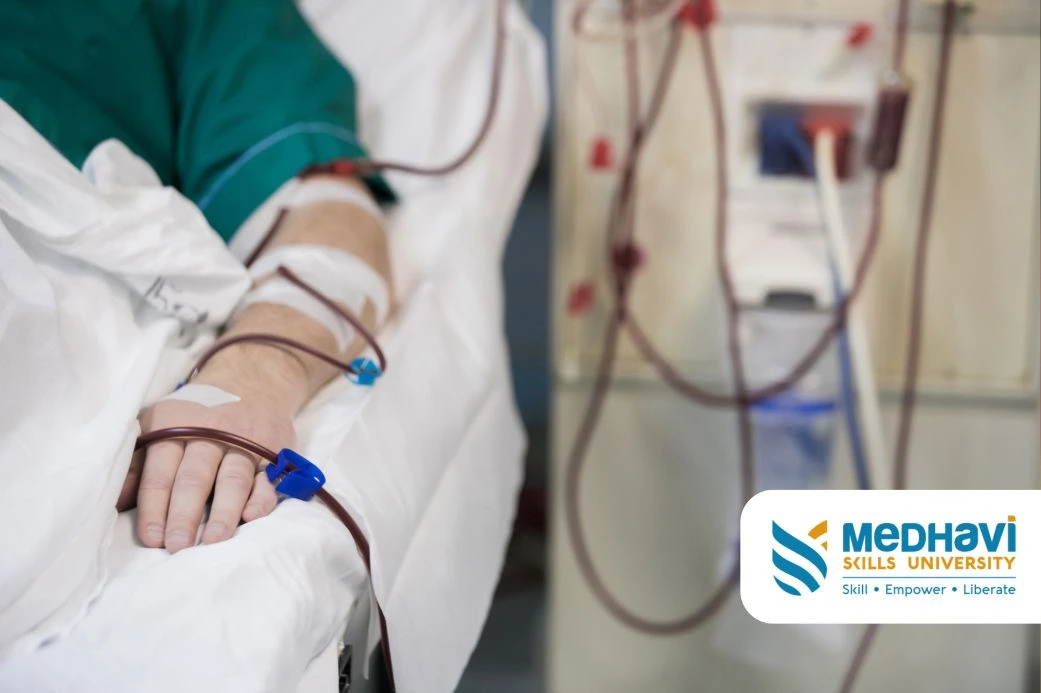
Opportunities for Growth and Specialization
B.Sc. Dialysis Technology opens doors for further career development. There are options for further specialization through certifications in hemodialysis, peritoneal dialysis or renal nutrition. Additional advanced education such as (M.Sc. Renal Sciences or MBA Healthcare Management) offer pathways into leadership positions (e.g. Dialysis Program Director, Hospital Administrator).Also, short-term programs in critical care or transplant coordination can offer increased career prospects.
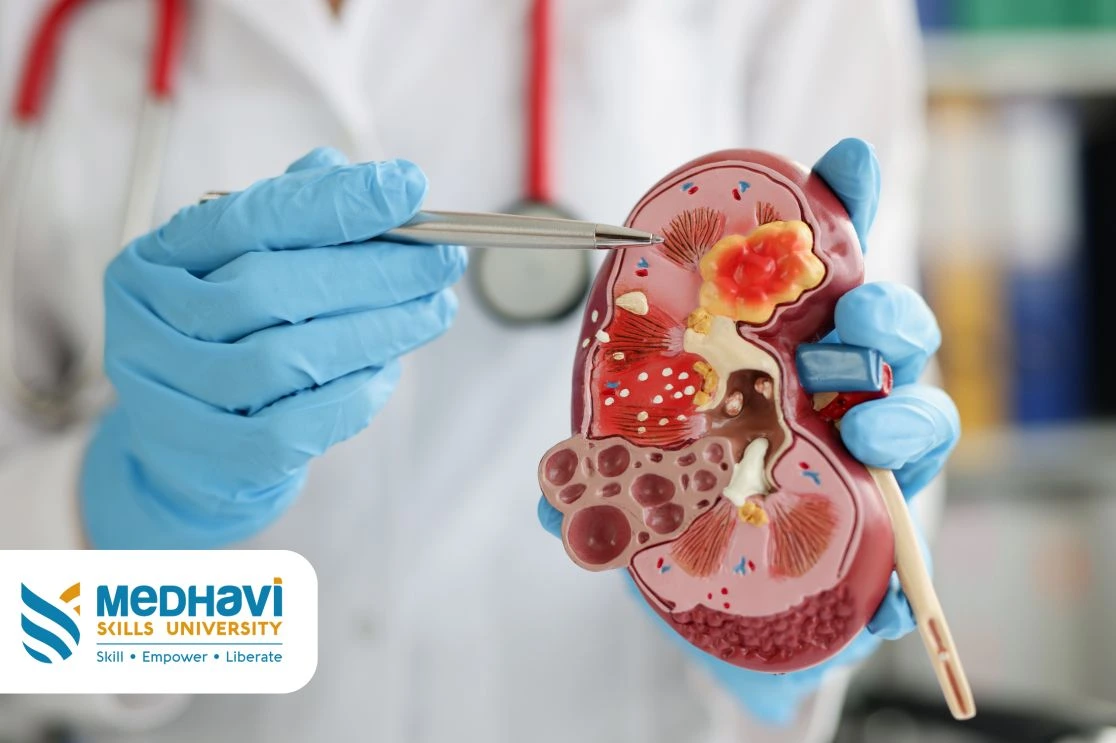
Advantages of B.Sc. in Dialysis Technology
A B.Sc. in Dialysis Technology provides a combination of technical skill, patient care, and professional development. Following are the most important advantages :
Multiple Career Opportunities
Postgraduates can pursue diverse career options, such as :
- Dialysis Technologist: Use dialysis machines, care for patients, and maintain treatment safety, earning INR 4-8 LPA in India.
- Renal Care Coordinator: Coordinate patient care plans and communicate with nephrologists, with pay ranging from INR 6-10 LPA.
- Dialysis Unit Supervisor: Coordinate operations in dialysis centers, at a pay of INR 10-18 LPA.
- Clinical Educator/Trainer: Educate patients or train new technologists, with pay of INR 8 LPA starting salary.
- Independent Consultant: Provide services to dialysis centers or manufacturers of related equipment around the world at $30 - $50 per hour.
- Healthcare Entrepreneur: Start (or consult) a dialysis clinic and business taking advantage of a high demand for renal services.
Hands-On Training and Real-World Exposure
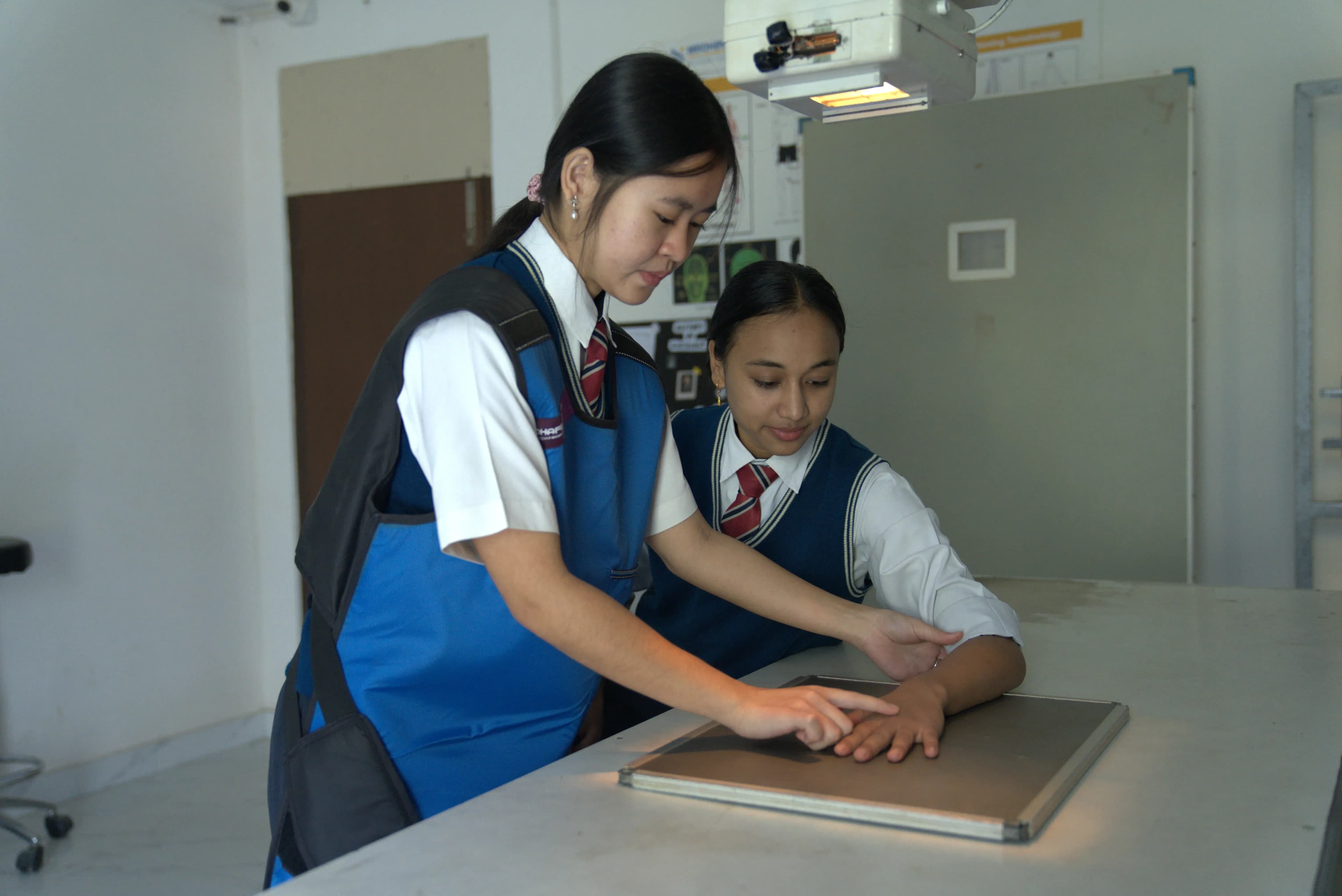
The B.Sc. course lays stress on practical training, which involves working dialysis machines, patient care management, and infection control. Hospital internships and dialysis center internships give direct exposure to students, making them ready for actual problems in the real world. They are also taught how to use sophisticated technologies such as continuous renal replacement therapy (CRRT) and automated peritoneal dialysis (APD).
Contribution to Society
Dialysis technologists are absolutely vital to enhancing patients' quality of life. Through life-saving treatments, they create a positive impact, providing personal satisfaction, they create a positive impact, providing personal satisfaction as well as professional development. The capability of working directly with patients creates empathy and communication skills, which makes this profession rewarding and effective.
Flexible Work Environments
Graduates can work in various environments, ranging from government hospitals to private clinics, dialysis chains such as DaVita or Fresenius, or even mobile dialysis units. Part-time or freelance options present the flexibility, while international demand provides a space in urban and rural regions as well.
B.Sc. Dialysis Technology: Skills, Training & Career Opportunities
Why Medhavi Skills University?
Medhavi Skills University (MSU), Sikkim, is at the forefront of skill-oriented healthcare education and hence a great option for a B.Sc in Dialysis Technology. Here's why MSU excels:
Industry-Aligned Curriculum
MSU's B.Sc program is curated in consultation with healthcare industry leaders, maintaining relevance to existing trends and technology. The course includes dialysis methods, patient care,renal physiology, and infection control, according to the National Education Policy (NEP) 2020. 70% of the course content is practical orientated ensuring students receive exposure to practical learning and master using dialysis machines and dealing with emergency procedures.
State-of-the-Art Infrastructure
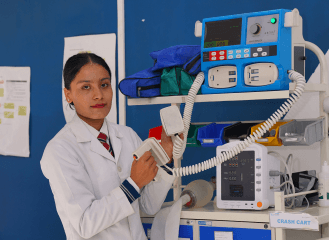
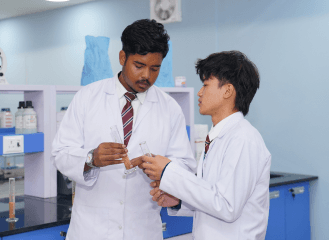
MSU provides sophisticated labs with dialysis simulators, patient monitoring systems, and infection control stations. Students get access to real equipment so that they are adequately prepared for the actual clinical setting. Industry-on-campus programs give them exposure to the latest technologies and approaches.
Hands-On Learning and Internships
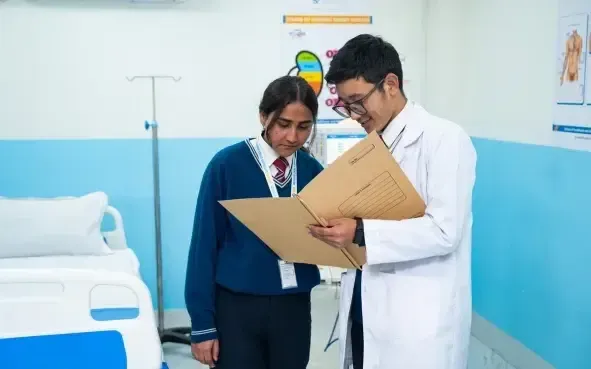
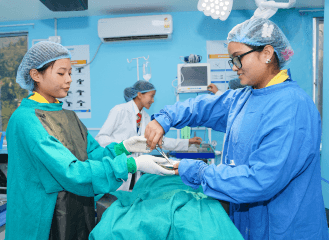
MSU focuses on experiential learning through internships in well-known hospitals and dialysis centers. Students work on real cases, getting experience in dealing with patients, handling equipment, and treatment protocols. This experiential method fills the gap between theory and practice.
Strong Placement Support
MSU's committed placement cell places students with industries such as Apollo Hospitals, Fortis, and Max Healthcare. Industry collaborations of the university guarantee high placements, with numerous students getting employed even before graduation.
Holistic Development
MSU's credit-by-choice system enables students too customize their learning, balancing technical and soft skills like communication, teamwork, and critical thinking. Seminars and workshops conducted by healthcare practitioners also improve students' preparedness for the industry.
A B.Sc in Dialysis Technology is a stepping stone to a happy and secure professional career in the healthcare industry. By studying this program in 2025, you can help save lives while developing a successful career in one of the most essential fields of healthcare. Join today and become an integral part of the future of renal care!