
The National Credit Framework (NCrF) is an ambitious initiative by the Government of India to transform the educational landscape of the country. It aims to make the Indian education system more flexible, inclusive and at par with global standards.
As per the guidelines of the National Education Policy 2020 (NEP 2020), the NCrF lays down provisions that allow a student or a professional to develop their skill sets, without committing to the traditional and conventional lengthy education system.
This blog breaks down NCrF in simple terms for you. We’ll also present a comparison of NCrF’s use in India and abroad along with exploring success stories of NCrF among students in India.
What Is NCrF?
The National Credit Framework (NCrF) is a comprehensive system that is used to implement a flexible credit transfer framework for skill development of students and professionals. The NCrF assigns credits to relevant learnings of an individual. Those learnings may include any acquired vocational skills, extra curricular activities, professional experience, portfolio and more.
This allows students to accumulate credits and also transfer them during their academic journey as per requirement. This makes their academic journey more personalized and flexible. One of the most important features of NCrF is that it provides equal importance to an individual’s both academic and non-academic achievements, ensuring his/her holistic development.
The Link Between NCrF and NEP 2020
NEP 2020 calls for a more skill-oriented, inclusive and flexible education system in India. One of its major objectives is to nurture students’ holistic development and not just academic achievements. NCrF is a tool to achieve these goals by:
- Students can accumulate credits from different fields of study.
- Credits can be accumulated and transferred over a lifetime, not just during formal education.
- Non academic learnings like extracurricular activities, sports, internships, and work experience are also given importance in this credit system.
- NCrF allows students to change their fields of study without losing credits.
Through NCrF, NEP 2020 aims to focus more on skill based learning. It also promotes critical thinking and problem solving skills.

How NCrF Benefits Students
- Flexibility: Students can now switch between academic and vocational tracks without losing progress.
- Inclusion of All Skills: Students who excel in sports, arts, or trades are given the same opportunities as academically inclined students.
- Lifelong Learning: Credits can be accumulated throughout life, encouraging continuous skill development.
- Employment-Ready Graduates: By integrating vocational and academic credits, students graduate with skills that are directly relevant to the job market.
How Does NCrF Work?
Credits under NCrF can be earned through the following:
- Academic Learning: Traditional education like school subjects or university courses.
- Vocational Skills: Practical, hands-on training in specific trades or industries.
- Extra-Curricular Activities: Participation in sports, music, arts, or social work.
- Work Experience: Internships, apprenticeships, and even part-time jobs.
Students are given a set amount of credits for each activity, which they can acquire over a period of time. This promotes holistic development in which interests outside of the classroom are valued equally.
NCrF also categorizes learning of an individual into different levels. The credits range from 1 to 8 for each level. The levels and the assigned credits for the same are cited as under -
| Academic Level | NCrF Credit Levels |
| Class V | 1.0 |
| Class VIII | 2.0 |
| Class X | 3.0 |
| Class XII | 4.0 |
| 3 Year UG | 5.5 |
| 4 Year UG with Honours and Research | 6.0 |
| PG Degree | 7.0 |
| Doctoral Degree | 8.0 |

Use of Credit System Abroad
Many countries around the world have similar credit systems as that of the NCrF. The system facilitates flexibility within the education system for individuals. Here’s a quick look into the other existing credit systems in developed nations and how they have impacted the people.
| Country | Credit System | Impact |
| USA | Credit Hour System | According to the National Student Clearinghouse, around 35-40% of US students transfer between institutions. |
| Europe | ECTS - European Credit Transfer and Accumulation System | More than 20% of students in Europe study abroad, using the ECTS for smooth credit transfers. |
| Australia | AQF - Australian Qualifications Framework | 20-25% of Australian students change institutions during their academic career using the AQF. |
Major Difference between Foreign Credit Systems and NCrF
The Indian credit system of NCrF is much more focused on non academic activities as compared to other existing credit systems mentioned above. To provide a more holistic development, the NCrF awards credits for vocational training, sports, internships, job experiences, volunteering work, social work, achievements or participation in visual arts, music, theatre and more.
Success Stories of NCrF in India
Post the introduction of NCrF in Indian states, the impact of the same could be seen across verticals. A look at some of the success stories of NCrF across India:
- Andhra Pradesh’s Skill Development Program
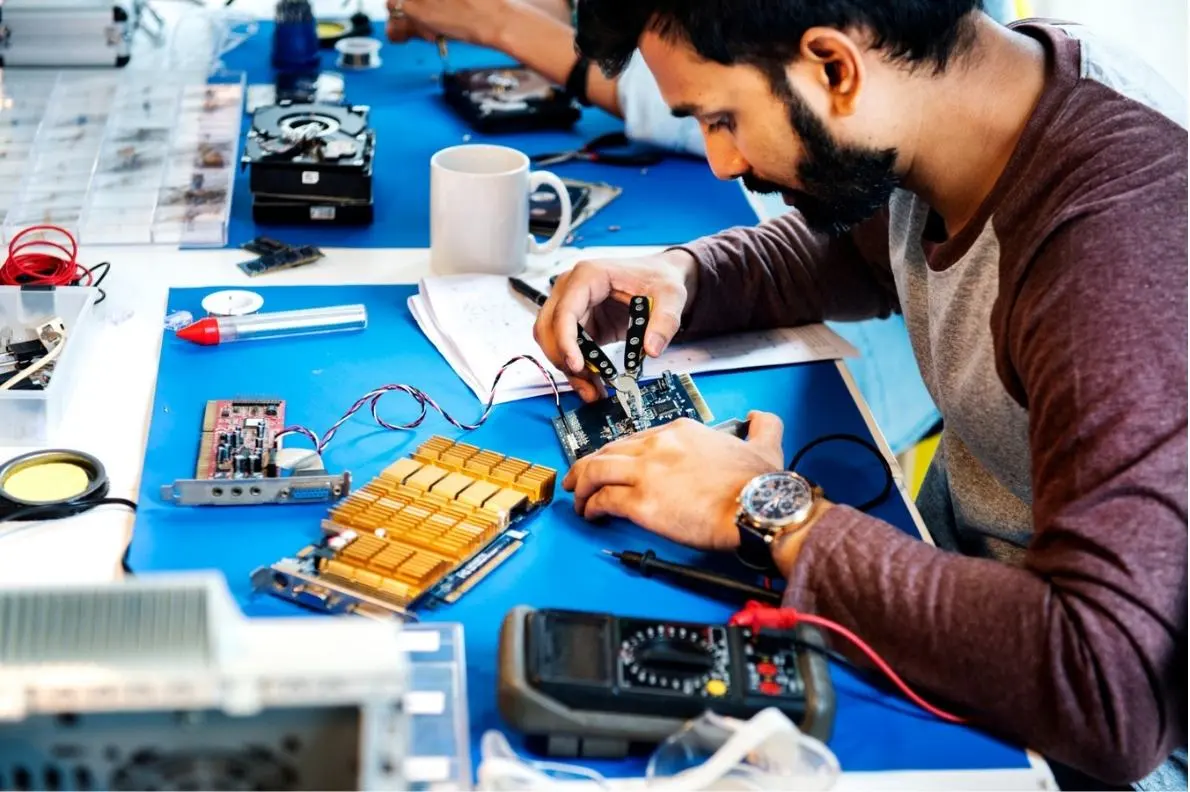
Andhra Pradesh implemented a skill-based credit system in its higher education institutions. Almost 150,000 students from the state took vocational courses along with their academic course between 2021 to 2023. They earned credits for practical skills like electrical repair, computer programming, and plumbing.
- Outcome: More than 30% of these students got jobs in sectors like IT, electrical maintenance, and healthcare after graduation. Their accumulated credits in vocational skills contributed to both their academic progress and employability.
- Delhi’s Sports Credit System
In Delhi, schools adopted NCrF to provide credits for achievements in sports. In the academic year of 2022-23, more than 50,000 students received credits for participating in inter-school sports competitions.
- Outcome: In 2023, at least 800 students used their sports credits to apply for scholarships at both national and international institutions. Some of them have also secured a place in sports teams from state-level and national level.
- Maharashtra’s Internship Program
Maharashtra introduced an internship credit system in collaboration with local industries. Between 2021 and 2023, around 100,000 students earned credits for internships with IT, textiles, and manufacturing organizations.
- Outcome: More than 40% of these students were offered full-time positions after their internships. Many industries also gave feedback about their performance. They expressed higher satisfaction with the interns due to their practical skills.
Future Outlook
This NCrF ensures no talent is overlooked, whether academic, vocational, or professional. By allowing students to earn credits in various fields of study, it encourages a more holistic and flexible approach to learning.
In accordance with the NCrF, The Medhavi Skills University (MSU) has introduced the Accelerated Skill MBA (A-MBA) for working professionals with 3 years of minimum work experience. One such program is the Accelerated Skill MBA (A-MBA) under the Centre for Reskilling, Upskilling, & Extension (CRUX) of the Medhavi Skills University. This program is designed as per the guidelines of NEP 2020. It has a futuristic curriculum combining the best features of top online MBA programs, traditional MBA programs and executive MBA programs.
It also takes work experience into consideration and converts it into credits through assessments. This allows professionals looking for top online MBA programs or executive MBA programs to complete their MBA within 15 months.
It is a UGC recognized work integrated, regular, full-time and fast-track MBA for working professionals which is equivalent to any other 2-year MBA program in India offering two Government of India recognized skill certificates.
As an ideal MBA for working professionals it turns experience into qualifications bridging the gap between industry and academia, helping professionals to grow and industries to innovate.
Ultimately, NCrF is not just a reform; it’s a step towards building a more skill and employability driven education system, perfectly aligned with the vision of NEP 2020.