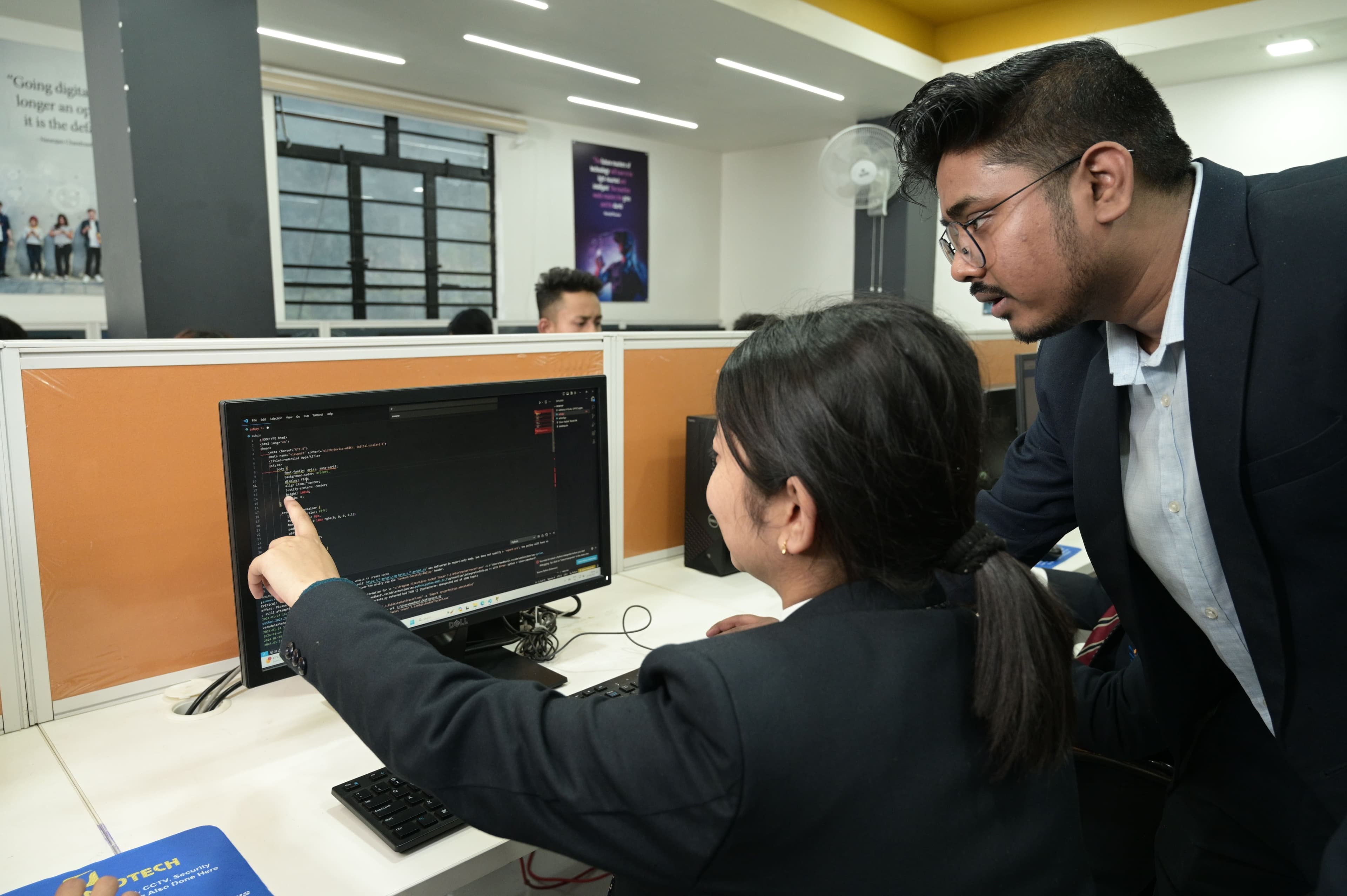
In today's fast-paced society, it is extremely important to find a balance between classroom teaching and real world industry experience. The WISE (Work-Integrated Skill Education) programs of Medhavi Skills University meet the challenge by skillfully combining classroom theory, practical experience, and real-world training.
Medhavi Skills University's WISE programs are redefining education with some amazing scale and impact. With over 8,500 student trainees, 300+ industrial partners, and 50+ specialty programs spread across 15+ schools and centers, the university provides unparalleled scopes for skill development. Every student benefits from the University's unique curriculum structure, which is supported by more than 200 subject matter experts. With a 100% concentration on 'Learn & Work,' students smoothly mix academics with real-world experience, equipping them for a successful future.
As students complete their degrees through WISE, they acquire great industry experience that gives them the edge they need to succeed in the workplace. In addition to preparing students for the future, these programs meet the needs of businesses by bridging the knowledge gap between education and employability, which benefits both parties financially. WISE programs foster collaboration between employers and students, creating a seamless bridge between education and industry needs.
Whether you're a student looking to improve future skills or an organization looking to reduce recruiting costs, WISE programs provide financial, practical, and professional benefits. Let's examine how this innovative idea transforms challenges into chances for all parties.

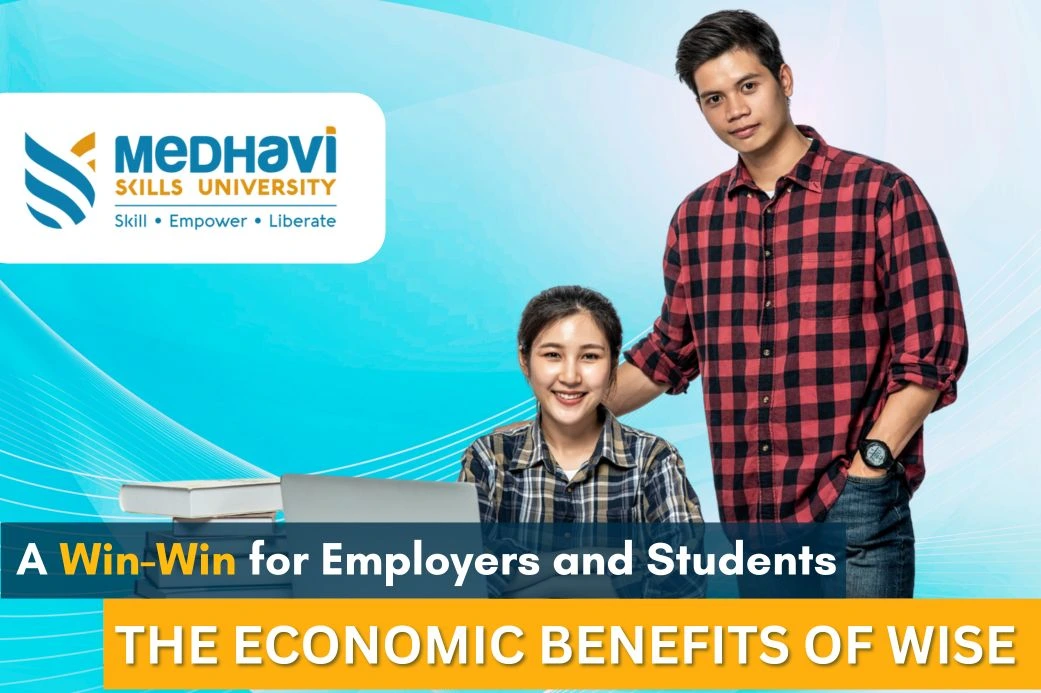
The Economic Benefits of WISE Programs for Employers and Students:
WISE programs' benefits include considerably more financial benefits than just reduction in cost.
For Employers:
1) Less requirements for intensive training due to access to a pool of students who are prepared for the workforce.
2) A consistent flow of competent talent customized to specific industry requirements.
3) Reduced hiring expenses as a result of sustained partnerships with educational institutions.
4) Organizations gain from lowered regulatory standards, which reduce administrative burdens.
5) Collaboration with skill-based education connected with CSR objectives, increasing a company's social impact.
6) The Government of India provides financial assistance and subsidies for skill development initiatives, making them cost-effective.
For Learners:
1) Earning-while-learning possibilities help to decrease the financial load of education.
2) Hands-on experience boosts employability, making integration into the workforce easier.
3) Graduates who are exposed to industrial methods are certain to be prepared for the challenges that lie ahead.
4) On-the-Job Training (OJT) equips students with real-world skills, preparing them for the workplace.
5) Joint certification strengthens student's credentials through recognition by both academia and industry.
6)UGC-approved degrees/diplomas and NCVET certifications provide qualifications that are nationally recognized and acknowledged.
7)The "Industry as Campus" concept enables students to learn directly in professional settings, combining education and practice.
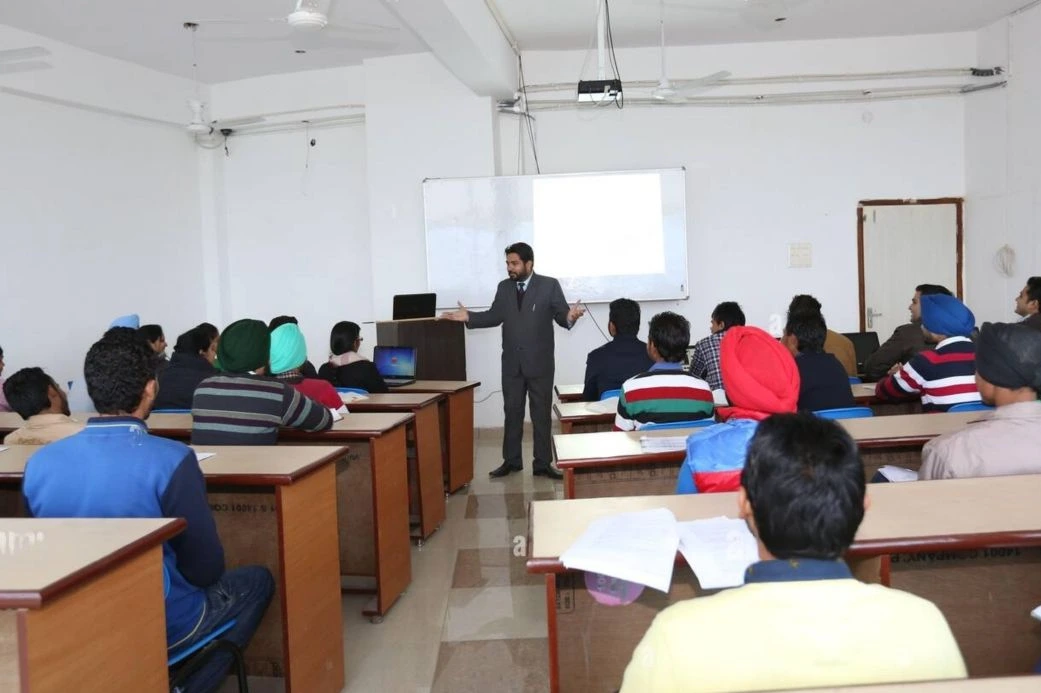
The role of work-integrated education in reducing hiring costs :
Hiring may be both expensive as well as tedious for businesses. WISE programs tackle this issue head-on by explicitly incorporating skill development into education. Some of the advantages of work-integrated education are:
1) On-the-job training reduces onboarding time: Employers avoid lengthy training sessions because students are already familiar with the work when they begin full-time employment.
2) Practical experience ensures a seamless start: A smooth start is ensured by practical experience; graduates are prepared to begin working right away. WISE programs produce job-ready graduates from WISE, equipped with the skills and experience according to the market demands.
3) Cost-effective workforce solutions: Organizations can save a lot of money on hiring and training expenses by implementing WISE programs. It naturally assesses and molds people by tying education to business needs.

Benefits of work-integrated learning :
| Key Aspects | Details |
| Reduced Onboarding Time | Students are work-ready from day one |
| Seamless Start | Practical experience ensures readiness |
| Lower Training Costs | WISE links education to business needs |
Economic Benefits of Skill-Based Programs for Students:
1)Affordable skill-based education: While expenses are covered by stipends or income from jobs, education becomes affordable.
2)Focused on outcomes: Skill-based programs provide students with the expertise that the job market wants.
3)A path to career progression: Practical experience leads to more rapid career growth opportunities.
4)Employability meets affordability: Employability and affordability work together to guarantee that students not only obtain a degree but also land a job.
Economic impact of WISE programs :
| Key Aspects | Details |
| Affordable skill-based education | Education funded by stipends or income |
| Outcome-Focused | Skills match market needs |
| Career Progression | Experience boosts career growth |
| Employability & Affordability | Degrees lead to jobs affordably |
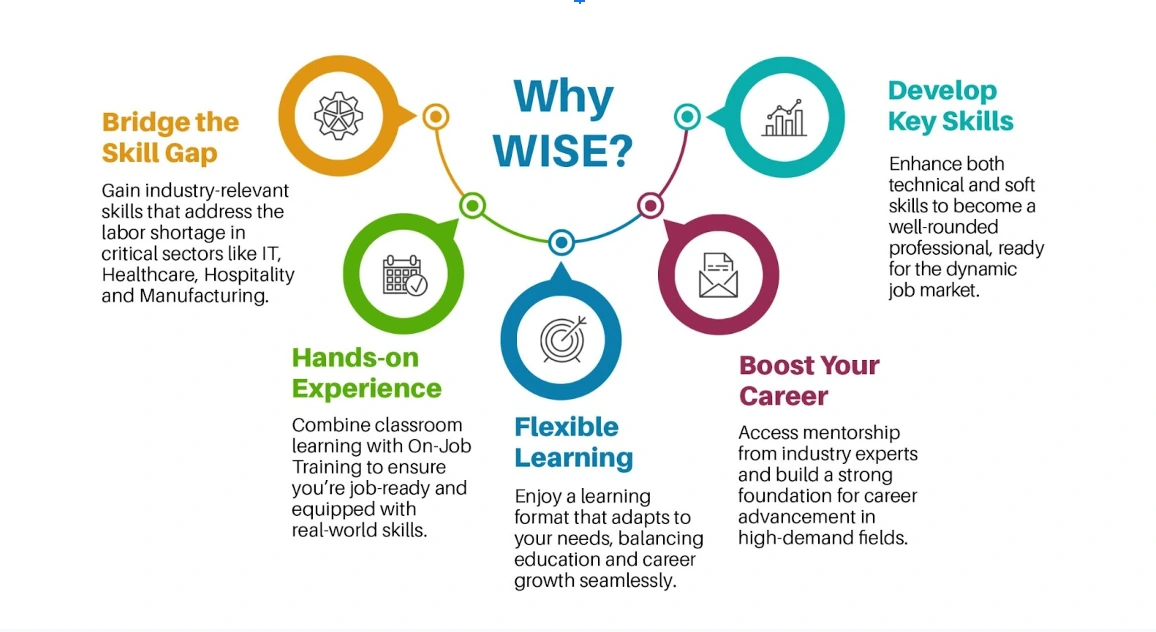
Why WISE : The Future of Learning
WISE programs are intended to provide students a competitive advantage by tackling the difficulties of traditional education. Here are the advantages of work-integrated higher education
Bridge the Skills Gap: Match your education to industry expectations, ensuring you're prepared to face real-world difficulties.
Hands-On Experience: Gain practical knowledge through on-the-job training that combines theory and real-world applications.
Flexible Learning: Enjoy the freedom to learn while working, thanks to a curriculum tailored to your schedule.
Boost your career: Build a solid foundation for success by acquiring skills and experience that companies value.
Develop key skills: Develop crucial skills that will prepare you for a successful career in your chosen sector.
WISE is more than just education; it's a pathway to a better future.
Benefits of Employer Partnerships with Education Institutions
Collaboration between universities and businesses is the backbone of WISE programs. These partnerships:
1) Ensure that curriculums stay industry-relevant and up-to-date.
2) Develop long-term ties that benefit both students and employers.
3) Allow corporations to influence training, ensuring that graduates match their unique requirements.
Medhavi Skills University's WISE programs are an outstanding example of how academic and professional pursuits may coexist. . WISE programs provide a long-term solution to two major issues: closing the skills gap and lowering the cost of education by integrating academic learning with practical skills.WISE programs emphasize employer-student partnerships in education, ensuring practical learning aligns with industry requirements.
WISE programs are beneficial on many levels, whether you're a student seeking a rewarding career or an organization looking for affordable workforce solutions. It's not only a win-win scenario; it's the future of education and employment.