Choosing a future in healthcare is no longer limited to becoming a doctor or a nurse. Today, allied health sciences careers are opening up exciting opportunities for students who want to work in healthcare through practical, skill-based roles. These careers combine science, technology, patient care, and real clinical exposure, making them especially relevant for students looking for meaningful work and faster entry into the workforce.
Many of these opportunities begin with paramedical courses after 12th, which are designed to build job-ready skills in areas such as diagnostics, emergency care, imaging, rehabilitation, and patient support. For students who want a healthcare career that is hands-on, future-focused, and accessible, allied health sciences offer a strong path forward.
What Are Allied Health Sciences?
Allied Health Sciences include a wide range of healthcare professions that support diagnosis, treatment, rehabilitation, and recovery. These are often described as non-doctor medical careers, but that does not make them secondary. In reality, they are central to how modern healthcare works.
From laboratories and operation theatres to diagnostic centres and rehabilitation units, allied health professionals play a direct role in patient outcomes. They may not always be the first people patients think of, but they are often the specialists who keep the system moving with accuracy, speed, and technical expertise.
Professionals in allied health sciences are typically involved in:
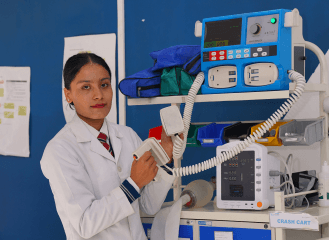
- operating medical and diagnostic equipment
- assisting doctors and surgeons during procedures
- conducting tests and analysing clinical data
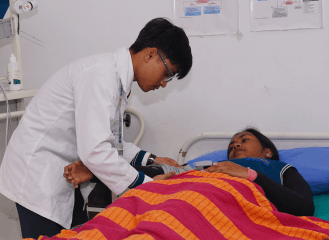
- supporting patients during treatment and recovery
For students, this means there are many ways to build a career in healthcare without following the traditional MBBS route.
Why Allied Health Careers Are Growing Rapidly?
Healthcare has changed significantly over the last decade. Hospitals today rely on far more than doctors and nurses alone. They need trained professionals who can run diagnostics, manage emergency response, support surgery, assist in rehabilitation, and work confidently with advanced medical technology.
That is one reason careers in allied health sciences are growing so quickly. Another is the broader expansion of the healthcare sector itself. As healthcare services become more accessible and specialised, the demand for allied health professionals continues to rise.
This growth is being driven by several factors:
- more hospitals, clinics, and diagnostic centres
- increasing use of imaging and lab-based diagnostics
- rising demand for emergency and critical care services
- greater focus on rehabilitation, recovery, and long-term care
For students, this translates into stronger job opportunities in the healthcare sector, especially in roles that are practical, specialised, and employability-oriented.
Top Emerging Careers in Allied Health Sciences
One of the biggest strengths of this field is the variety of career options it offers. Students can choose roles based on their interests, work style, and long-term goals.
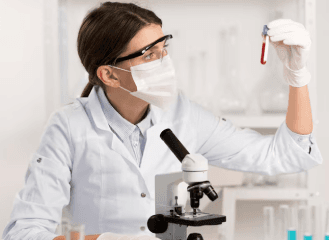
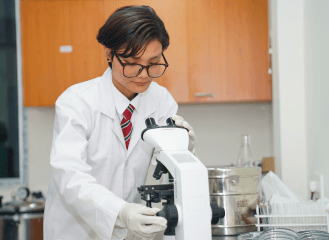
Medical Laboratory Technology
Medical Laboratory Technology is one of the most established and important allied health careers. Almost every diagnosis depends on accurate testing, and that puts laboratory professionals at the heart of modern healthcare.
Students in this field learn to work with samples, testing procedures, and diagnostic instruments. This role is ideal for students who enjoy science, precision, and analytical work.
Typical responsibilities include:
- performing clinical and pathological tests
- handling laboratory equipment
- preparing and maintaining test records
- supporting doctors through accurate diagnostic reporting
Emergency Medical Technician
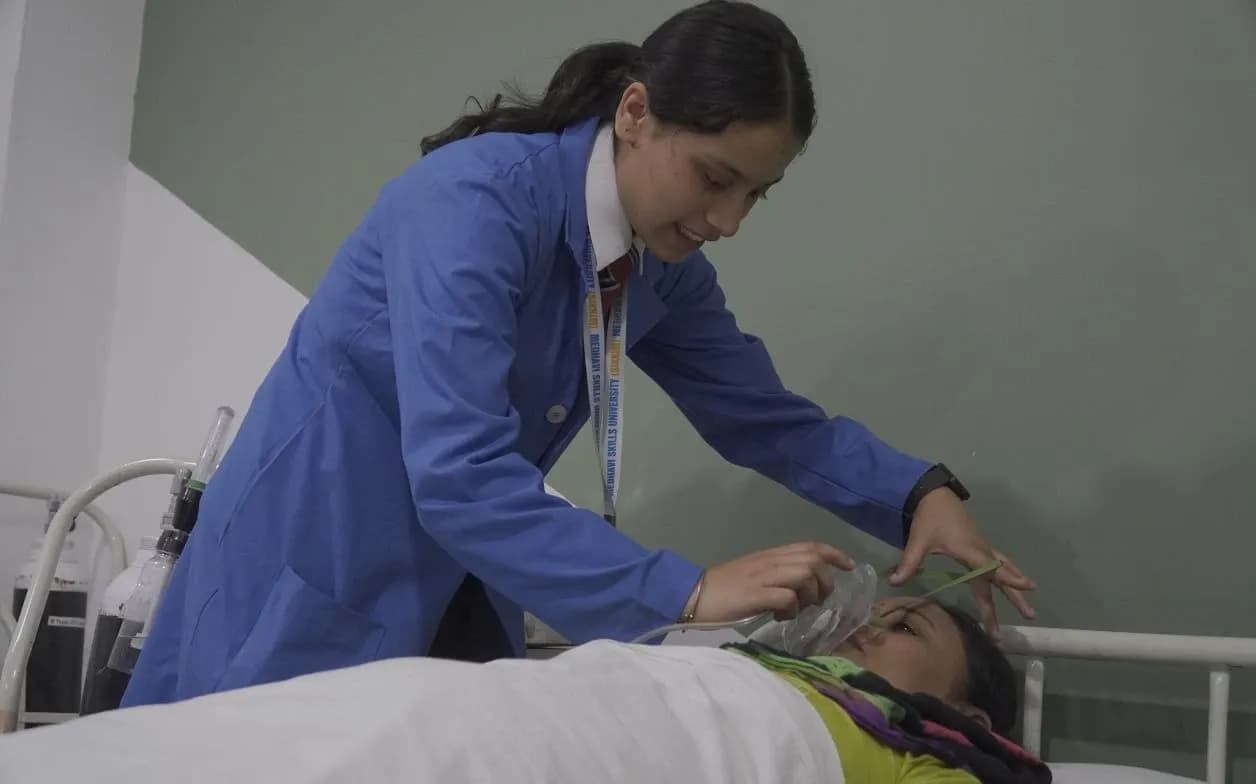
Emergency Medical Technicians, or EMTs, are often the first responders in a crisis. Whether it is an accident, trauma case, or medical emergency, EMTs are trained to act quickly and stabilise patients before or during transfer to a hospital.
This is a high-responsibility role and suits students who can stay calm under pressure and want to work in a fast-paced environment.
Their work may involve:
- providing first aid and emergency support
- transporting and stabilising patients
- assisting emergency care teams
- responding to trauma and urgent medical situations
Operation Theatre Technology
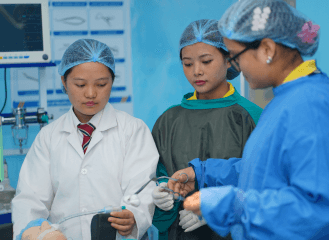
Operation Theatre Technology is an excellent option for students who want to be part of surgical care. OT technicians ensure that operation theatres are prepared, sterile, and equipped for procedures.
Their role combines discipline, technical skill, and teamwork. It is particularly suited to students who are detail-oriented and comfortable in structured clinical settings.
Radiology and Imaging Technology
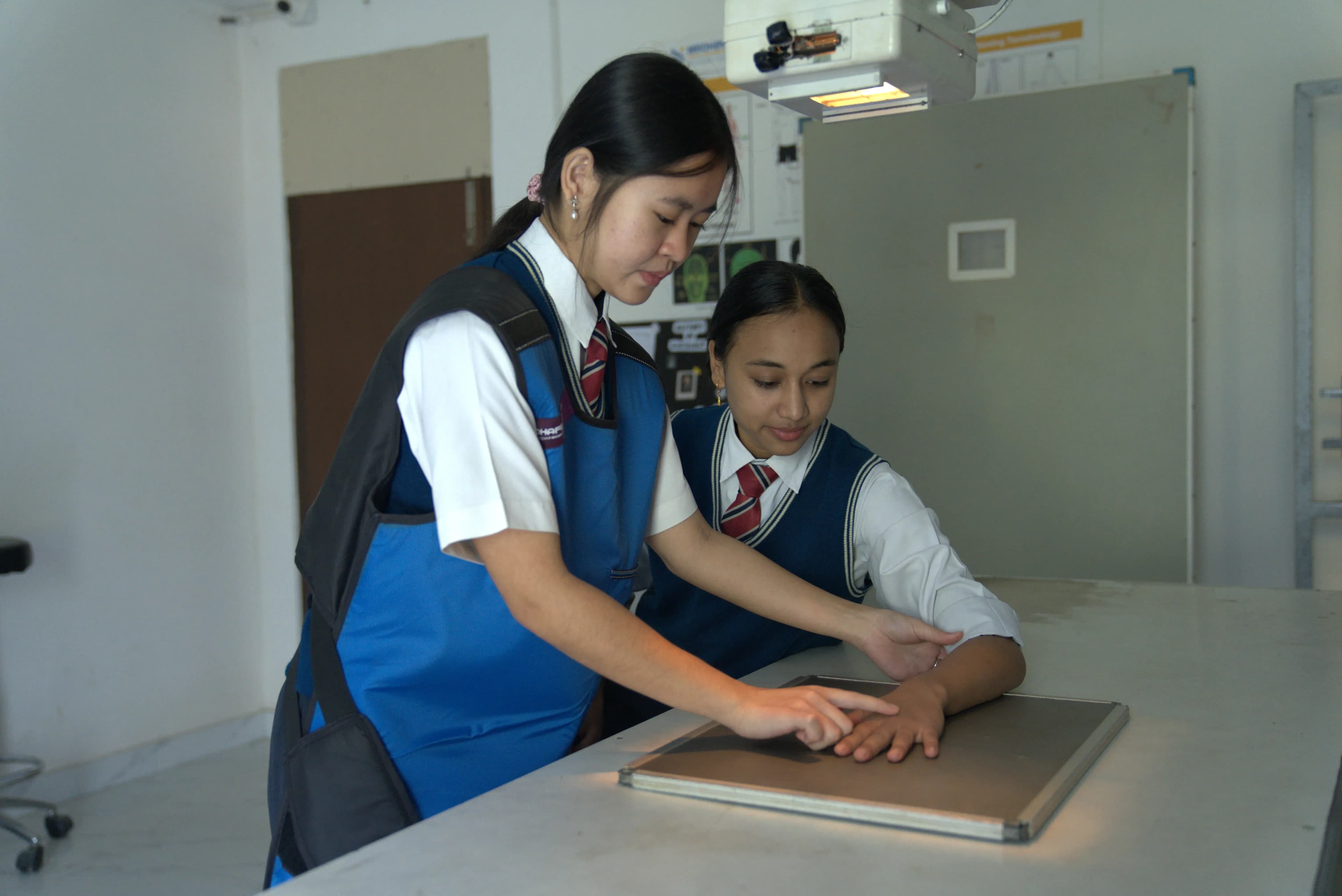
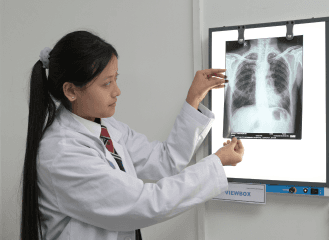
Radiology and imaging professionals work with machines such as X-ray units, CT scanners, MRI systems, and ultrasound equipment. Since imaging is now essential to diagnosis, this has become one of the most promising allied health science jobs.
Students drawn to technology often find this field especially appealing because it sits at the intersection of healthcare and advanced equipment handling.
Physiotherapy and Rehabilitation Sciences
Physiotherapy focuses on recovery, movement, and restoring quality of life. It is a strong option for students who want more direct patient interaction and are interested in long-term care rather than only acute treatment settings.
Physiotherapists work with patients recovering from injury, surgery, neurological conditions, or mobility challenges. The field also offers flexibility, including opportunities for independent practice later on.
Dialysis Technology
Dialysis technology is a specialised and meaningful field within allied health sciences. Dialysis technicians help manage treatment for patients with kidney-related conditions and are trained to monitor both machines and patients carefully throughout the procedure.
As the need for renal care grows, this role continues to offer stable demand and a clear professional pathway.
Courses That Lead to Allied Health Careers
Students can enter this field through a range of allied health and paramedical programmes depending on their interests, eligibility, and career goals. Some students may prefer shorter diploma pathways, while others may want a full undergraduate programme that gives them deeper domain expertise and stronger long-term progression.
That flexibility is one of the reasons allied health courses remain attractive after Class 12. They allow students to choose a route that fits both their aspirations and circumstances.
Skills Required to Succeed in Allied Health Careers
Success in this field is not based on academic marks alone. Healthcare environments require people who are responsible, alert, and able to apply skills consistently in real situations.
Students who do well in allied health careers usually develop:
- attention to detail
- technical confidence
- discipline and consistency
- communication skills
- empathy and patient sensitivity
- the ability to stay calm under pressure
These qualities make a real difference, especially in environments where accuracy and responsiveness matter every day.
Future Scope of Allied Health Sciences in India
The future scope of allied health sciences in India is strong because the healthcare system is becoming more specialised, more technology-driven, and more dependent on skilled professionals across different functions.
For students thinking about future careers in healthcare 2026 and beyond, allied health sciences stand out because they offer both relevance and resilience. As healthcare expands, the demand will not be limited to doctors alone. It will increasingly include professionals trained in diagnostics, emergency care, imaging, rehabilitation, and other critical support functions.
That is what makes this field especially promising for students looking for a career that is practical, purposeful, and future-ready.
How to Start a Career in Allied Health Sciences
For students interested in this field, the path is usually straightforward.
Start by identifying which area of healthcare interests you most. Some students are more inclined towards diagnostics, while others prefer emergency care, patient rehabilitation, or surgical support. Once that is clear, the next step is choosing the right course and learning environment.
A good starting path usually looks like this:
- choose a relevant paramedical or allied health course after 12th
- look for a programme with strong practical exposure
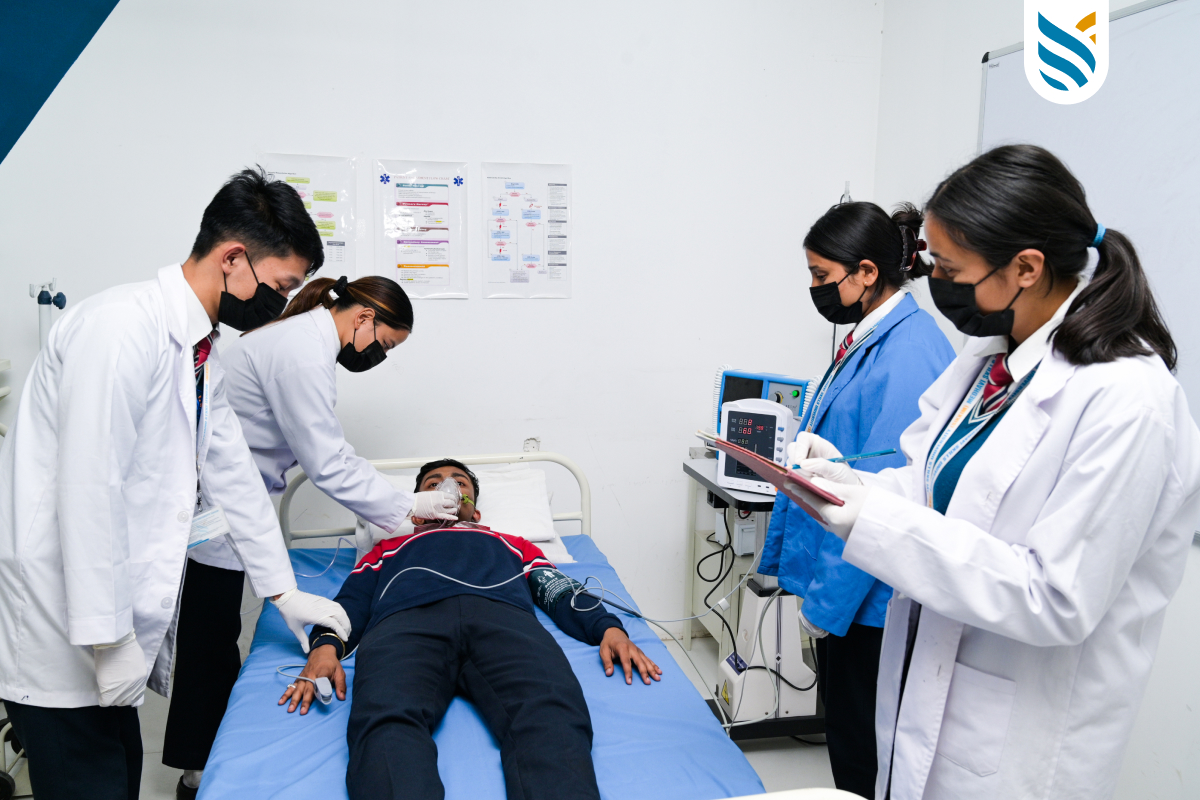
- build confidence through labs, simulations, and clinical learning
- strengthen communication and technical skills during training
- explore internships, placements, or higher education based on your goals
The right programme can shape not just your qualification, but also your readiness for the real world.
Allied Health Sciences: Practical Learning, Labs and Career Opportunities
Conclusion
Healthcare today needs more than one kind of professional, and that is exactly why allied health sciences have become such an important career pathway. For students who want a meaningful role, practical training, and strong employability, this field offers a real opportunity to build a future in healthcare without waiting years to get started.
The right course, the right training environment, and the right exposure can make all the difference. For students ready to turn interest into action, allied health sciences can be the beginning of a highly relevant and rewarding career.