Understanding Skill-Based Learning in Operation Theatre Technology
Skill-based learning in operation theatre technology is not merely acquiring theoretical knowledge about medical processes and healthcare theory, but also mastering skills that enable students to implement knowledge into practical activities.
In view of the fact that the operating theatre is a high-technology facility with strict rules of operation, healthcare students must gain hands-on experience in the application of surgical instruments, as well as acquire knowledge of the rules for operating theatres and the skills necessary for proper actions in different clinical situations. This is why a skills-based Operation Theatre Technology course from a university like Medhavi Skills University can be very beneficial for the students.
Contemporary education in the field of healthcare focuses on integrating theory and practice for developing technical skills, confidence and professionalism for effective cooperation with surgeons, anaesthesiologists, nurses and other experts in the sphere of healthcare.
Why Practical Training Matters in Operation Theatre Technology
A good operation theatre technology training programme is aimed at preparing students for working in the operating theatre rather than relying on textbooks and lectures.
Candidates can reap many benefits from a practical training course, such as:
- The knowledge of how an operating room is structured and works
- The ability to recognize and properly use surgical instruments
- The implementation of sterilization and infection control measures
- The ability to prepare operating room's equipment used during procedures
- The understanding of duties before the operation, during the operation and after the operation
- The opportunity to learn safe patient maneuvering and placement
- Improved ability to communicate with other healthcare professionals
- The ability to perform basic emergency actions in a trial setting
The importance of gaining real-life skills of an operating room technician cannot be undermined, as many tasks demand precision, coordination and the knowledge of specialised equipment. Gaining these experiences links theoretical knowledge with practical experience, helping students succeed in the long run.
How Advanced OT Labs Build Industry-Ready Skills
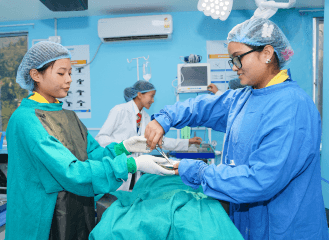
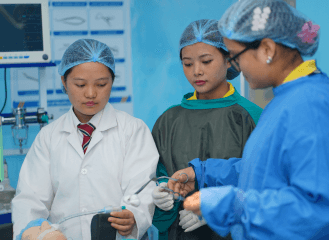
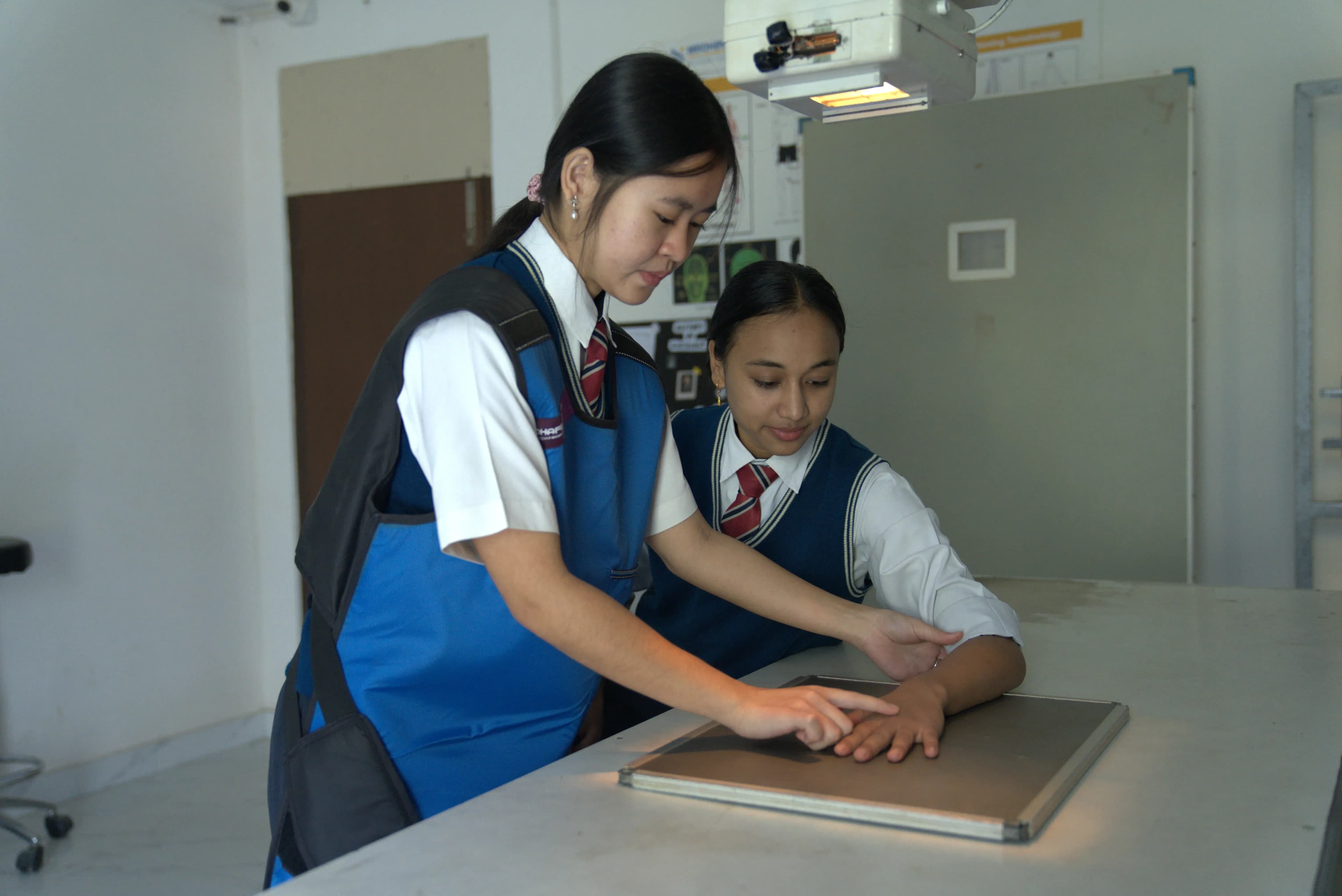
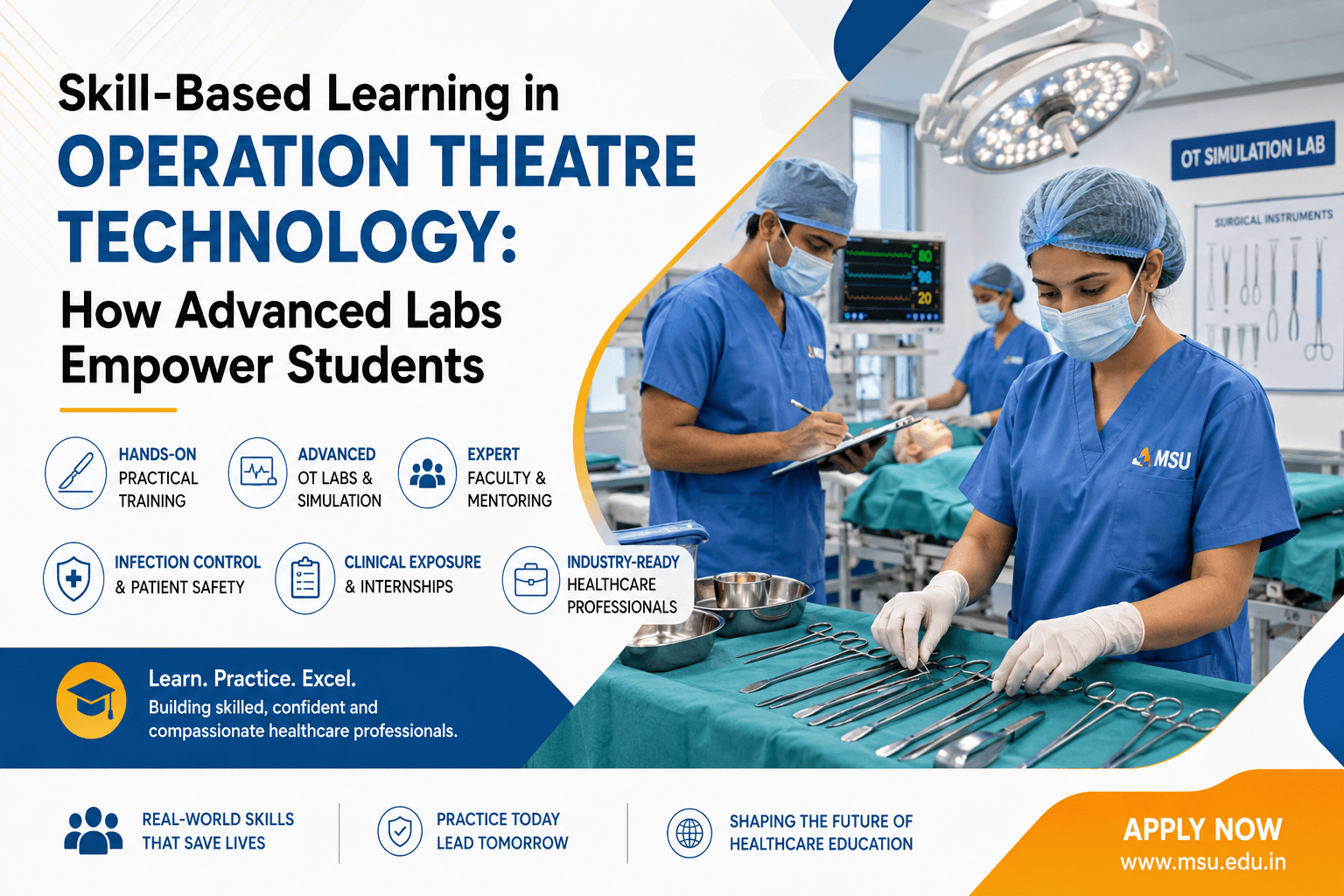
An advanced and well-equipped operation theatre laboratory can simulate many procedures and events that the students would face in real healthcare institutions. Advanced OT labs provide practical skills and exposure to the students enabling them to enter the workforce fully prepared.
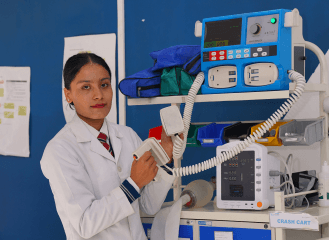
Medhavi Skills University has a top-level operation theatre laboratory and other facilities for skills-based learning. Students are provided with great opportunities of receiving practice-oriented education through simulation-based training, industry exposure, expert faculties and more.
An effective OT lab serves as a learning platform in the following fields:
Learning Area | Implementation |
Surgical instruments | Identification, handling and organisation of tools |
Sterilisation | Understanding of sanitisation and sterilisation |
OT set up | Setting up the operation theatre and equipment for procedures |
Infection control | Implementation of aseptic principles, techniques and protocols |
Anesthetic aid | Getting familiar with the tools and assisting under supervision |
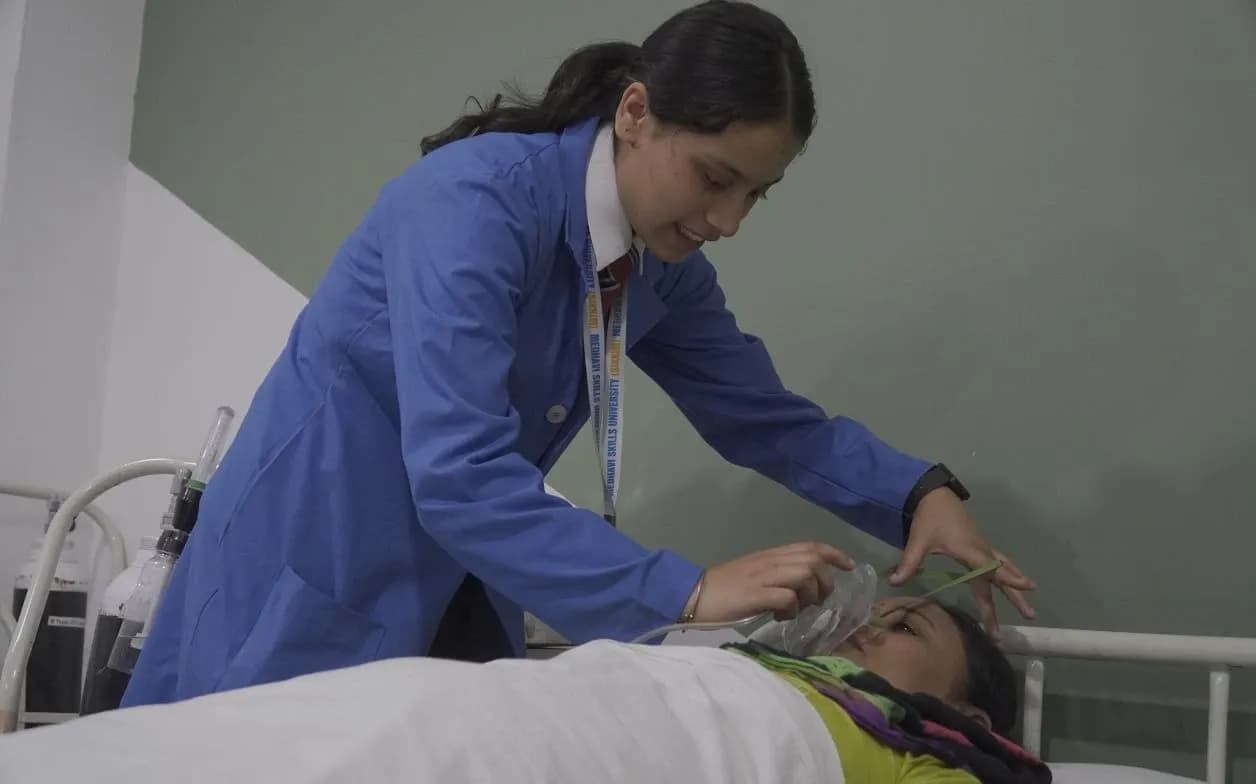
Patient support | Learning positioning, preparation and post-operative recovery |
Emergency management | Practising responses to controlled clinical scenarios |
OTT practical learning enables students to gradually go from observing to acting in real-life healthcare scenarios.
Role of Simulation-Based Learning in Healthcare Education
Simulation learning is becoming increasingly important in the field of healthcare because it gives students a chance to test their knowledge in a practical environment without putting patients at risk.
In the simulation setting, students can solve case studies related to OT preparation, surgical help, equipment use, cleaning or emergency response. Faculties and academic staff can then evaluate training results and check problem areas for improvement.
Moreover, simulation develops students’ skills in:
- Making decisions
- Precision in performance
- Awareness of the situation
- Communication and teamwork skills
- Composure in a stressful situation
A simulation based approach creates a bridge between academic learning and real-world clinical practice.
Essential Skills Every OT Student Should Develop
Having a successful career in operation theatre services involves much more than just knowledge of instruments. Students should have a blend of technical, clinical and professional skills.
Key OT technology practical skills are:
- Handling surgical instruments - knowing how to correctly identify and handle surgical instruments in the right way.
- Aseptic technique - following procedures to ensure that contamination and infection are minimal.
- OT set up - ensuring that all equipment, surgical instruments and material are ready before the procedures start.
- Equipment management - knowing how any particular equipment should be used and maintained.
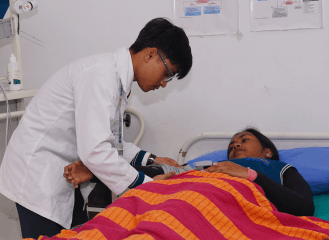
- Handling patients - assisting in the patients’ preparation, position and post-operative care under supervision.
- Understanding emergency protocols - knowing how to respond in case of an emergency.
- Teamwork - communicating effectively with surgeons, anaesthesiologists, nurses and other healthcare professionals.
- Documentation - maintaining accurate records and following institutional protocols.
All the skills above are essential for successful operation theatre technology education.
Traditional Learning vs Advanced Lab-Based Learning
Traditional Classroom Learning | Advanced Lab-Based Learning |
Only focused on theory | Combination of both theory and practical experience |
Little to no practical learning and equipment exposure | Actual use of specialised equipment and practical learning |
Procedures explained conceptually | Procedures demonstrated and practised |
Low exposure to real clinical scenarios | Learning through simulations of real scenarios |
Skill assessment is done through written tests | Skill assessment is done through practical performance |
Confidence develops mainly after clinical exposure | Confidence begins developing before clinical placement |
The aim is not to replace theoretical knowledge with practical training but to make it a supplement. Strong specialists in the field of healthcare need to simultaneously have a good level of knowledge and the ability to apply this knowledge skillfully.
Clinical Exposure and Internship Opportunities
Laboratory training ensures that students are well-prepared before entering real-life situations.
While clinical exposure helps them to see how multi-disciplinary teams work, learn the protocols in practice and get accustomed to the rhythm. Depending on the programme structure, clinical exposure may include hospital visits, internships, on-the-job learning and supervised clinical practice.
All healthcare programmes provided by MSU focus on practical learning and provide connections with real healthcare institutions. For instance, in the MSU education model, the learning process includes clinical exposure and internships.
The proposed path - classroom → advanced lab → simulation → clinical environment - makes the process sequential.
Career Opportunities After Operation Theatre Technology
With the increasing complexity of surgery, there is a great demand for professional allied health workers with the ability to assist surgical and anesthesia teams. Once a student completes an operation theatre technician course or related undergraduate course, they can take up positions such as:
- Operation Theatre Technologist
- Operation Theatre Technician
- Anaesthesia Technician
- Surgical Assistant
- OT Support Professional
- Critical Care Technician
- Emergency Care Technologist
- Healthcare Operations Support Professional
Career prospects exist in hospitals, surgical clinics, emergency care units, specialty hospitals and various other places. MSU offers career paths with options from OT technologist and anaesthesia technician, to surgical assistant and critical care technician.
The Future of Skill-Based Healthcare Education
The advancements in healthcare practice and technology necessitates practical proficiency among allied healthcare practitioners, making healthcare practical education imperative. As a result of this evolution, education in the field is highly expected to incorporate simulation, advanced laboratory work, digital means, competency assessment and work-based learning into practical training programmes.
Educational reforms are leading to the increased use of accurate implementation of knowledge among students. In this light, prospective healthcare professionals need to make sure to take a programme with modern OT laboratory facilities, qualified instructors, practical knowledge tests and relevant clinical exposure in order for their education to be of practical value.
By placing an emphasis on practice-oriented learning, advanced laboratories, simulation-based teaching and collaboration with experts in the field, Medhavi Skills University is in line with this trend. In the future, this enhanced educational model will be able to produce specialists who are not only knowledgeable but skilled in their application of this knowledge in practice.