
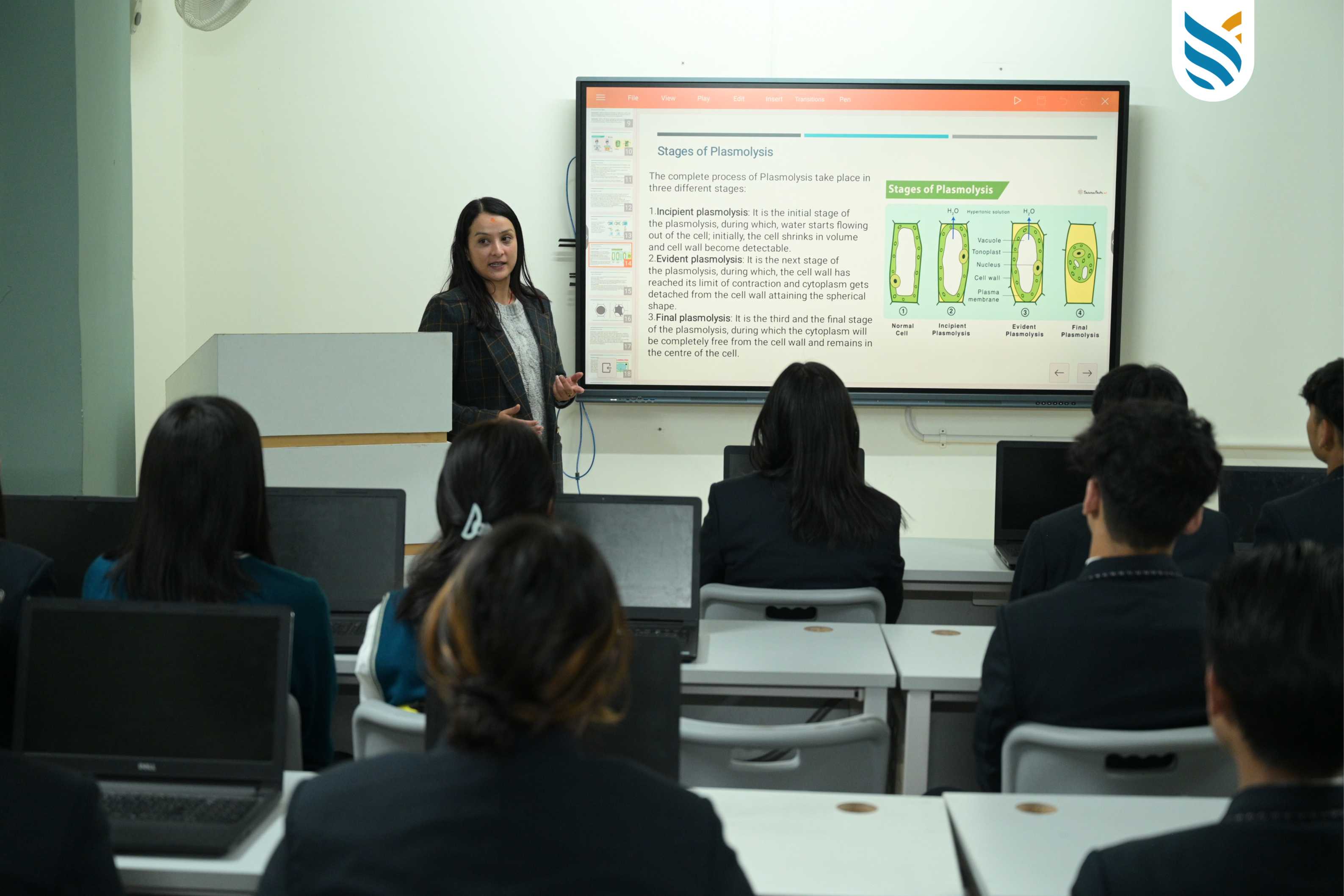
Higher education in India is undergoing a major shift. With the rise of industry demand, changing job roles, and the push for employability, students today are increasingly questioning the value of traditional degrees. The debate around skill university vs traditional university has become more relevant than ever in 2026.
While traditional universities have long been the backbone of education, skill-based higher education is emerging as a strong alternative, especially for students focused on career outcomes.
Overview: Skill University vs Traditional University
The fundamental difference between these two systems lies in their approach to learning. Traditional universities focus on theoretical knowledge and academic depth, whereas skill universities prioritize practical training and industry readiness.
In simple terms, traditional education prepares students to understand concepts, while skill-based education prepares them to apply those concepts in real-world situations. This shift is closely aligned with the growing need for job-oriented courses and employable graduates in India.
Key Differences Between Skill University and Traditional University
Understanding the difference between skill university and regular university helps in making an informed decision:
- Learning approach: theoretical and exam-focused vs practical and application-based
- Curriculum: fixed and syllabus-driven vs industry-integrated and dynamic
- Exposure: limited industry interaction vs real-world work experience
- Outcome: degree-focused vs job and skill-focused
- Flexibility: rigid academic structure vs flexible learning pathways
This distinction highlights why many students are now leaning toward work-integrated degree programs in India.
Advantages of Skill Universities in 2026
Skill universities are gaining popularity because they directly address employability challenges. Their model is built around practical learning, industry exposure, and real-time experience.
Some key advantages include:
- Work-integrated learning with hands-on experience
- Earn while you learn opportunities
- Strong industry connections and internships
- Focus on job-ready skills
- Higher employability after graduation
Institutions like Medhavi Skills University are leading this transformation by offering apprenticeship-based education and industry-integrated programs that align with market needs.
Advantages of Traditional Universities
Despite the rise of skill-based education, traditional universities still hold value, especially for students interested in academic or research-oriented careers.
Their strengths include:
- Strong theoretical foundation
- Established academic credibility
- Opportunities in research and higher studies
- Structured learning environment
- Wide range of conventional degree programs
For careers in academia, civil services, or research, traditional education continues to be a relevant choice.
Role of NEP 2026 in Transforming Higher Education
The National Education Policy 2020 has played a crucial role in reshaping India’s education system. Its focus on skill-based learning, flexibility, and multidisciplinary education has accelerated the growth of skill universities.
Key reforms include:
- Integration of vocational education into mainstream academics
- Promotion of work-integrated learning
- Multiple entry and exit options
- Emphasis on practical knowledge and employability
These changes have made skill-based university models more aligned with national education goals.
Which One is Better for Career Growth in 2026?
The answer depends on career goals. However, in terms of employability and job readiness, skill universities are increasingly becoming the preferred choice.
Students who want to enter the workforce quickly, gain practical experience, and build industry-relevant skills tend to benefit more from skill-based education. On the other hand, those aiming for research, academia, or specialized theoretical fields may find traditional universities more suitable.
In 2026, the job market favors candidates who can demonstrate skills, not just degrees. This is where work-integrated learning vs traditional education creates a clear advantage.
Skill Gap in India – Why Skill Universities Are Rising
India has long faced a significant skill gap, where graduates possess degrees but lack job-ready skills. This gap has been one of the major challenges for employers across industries.
Skill universities are addressing this issue by focusing on:
- Practical vs theoretical education balance
- Industry-integrated curriculum
- Real-world training and apprenticeships
- Continuous skill development
This approach directly improves employability after graduation and reduces the disconnect between education and industry requirements.
Future of Higher Education: Skill-Based Learning in 2026
The future of higher education is moving toward flexibility, practicality, and relevance. Skill-based university models are expected to grow further as industries demand professionals who can adapt quickly and perform from day one.
Trends shaping the future include:
- Rise of flexible learning universities in India
- Growth of apprenticeship-based education
- Increased collaboration between academia and industry
- Focus on lifelong learning and upskilling
Skill-based higher education is no longer an alternative; it is becoming a mainstream pathway.
Conclusion
The comparison between skill university vs traditional university ultimately comes down to career priorities. Traditional universities continue to provide academic depth, while skill universities focus on employability and real-world readiness.
In 2026, as industries evolve and job roles become more dynamic, skill-based education offers a clear advantage for students seeking practical exposure and faster career growth. Institutions like Medhavi Skills University are at the forefront of this shift, redefining how education aligns with employment.