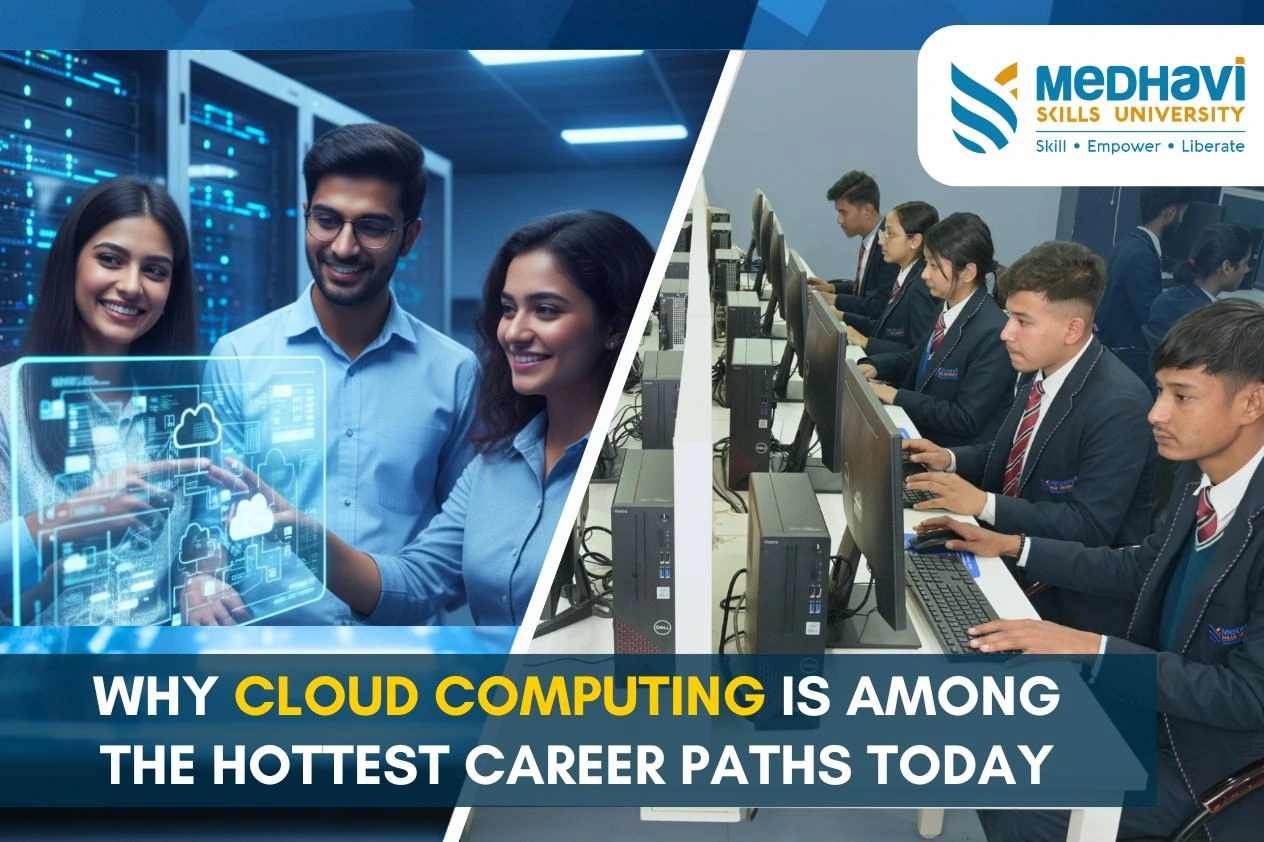
In the fast-changing digital economy we are experiencing now, cloud computing is at the heart of technological change. From start-ups to large global businesses, organizations are tapping into cloud computing's capabilities to innovate, grow, and become more efficient. This has led to explosive demand for people who specialize in cloud computing engineering, making it one of the most in demand and rewarding career fields today.
Understanding Cloud Computing's Growth
Cloud computing is the delivery of computing services — servers, storage, databases, networking, software, and analytics — over the Internet, or "the cloud." Organizations access computing resources as needed, rather than maintaining physical data centres or hardware, and only pay for the service used. This flexibility and cost savings are the foundations of cloud computing's technology as it relates to modern businesses.
The global adoption of cloud computing applications has accelerated across every industry—from finance and healthcare to education, entertainment, and e-commerce. According to various market reports, the global cloud computing market is projected to exceed $1 trillion by the end of the decade. This exponential growth is driving massive demand for skilled cloud professionals who can design, deploy, and manage cloud-based systems.
Why Cloud Computing is a Top Career Choice
1.Rising Demand Across All Industries
All digital services today—from streaming, mobile applications, AI tools, and online banking—are cloud-based. Organizations require cloud computing engineering proficiency to help ensure their systems are secure, scalable, and efficient. Therefore, the demand for roles like Cloud Engineer, Cloud Architect, DevOps Engineer, Cloud Security Specialist, and Data Engineer are on the rise.
Tech giants like Amazon Web Services (AWS), Microsoft Azure, and Google Cloud Platform (GCP) continue to expand their infrastructure, and non-tech industries are also engaging cloud professionals to help modernize their IT operations. All of this indicates that cloud computing is an adaptable, portable, and future-proof career.
2. Exceptional Salaries and Global Reach
The global shortage of talent with cloud-related skills have pushed salaries to exceptional levels. Certified individuals following a cloud computing course can command generous packages, especially those with cloud architecture, security, or automation experience. And because cloud computing is not geographically defined, there are also remote or hybrid roles available, as well as opportunities for international jobs.
3. Different Career Paths and Specializations
One of the largest benefits of a career in cloud computing is the opportunities for specialization. Professionals can pursue careers in Cloud Architecture, Cloud Security, DevOps and Automation, Data and AI on Cloud, or Cloud Support and Administration. A comprehensive cloud computing curriculum introduces these areas, which helps students understand their strengths as they select their specialization early in their learning experience.
4. Consistent Change and Opportunity to Learn
Cloud computing is ever-changing. Cloud technologies are changing how organizations operate through serverless computing, edge computing, and AI-based cloud platforms. Consequently, individuals are consistently learning new skills. An extensive cloud computing curriculum will expose learners to these different trends, providing them the ability to continue learning while developing their skills and becoming part of the next change in technology.
5. Integral Role in Digital Transformation
Successful digital transformation strategies depend on cloud technology being effectively used to sustain the transition to more cloud-based environments. Companies are moving from on-premise systems to cloud-based environments to gain higher flexibility and efficiency. Engineers in cloud computing have played an important role to transform the organization by facilitating the applications migration, dealing with data integration, and optimizing their cloud resources.
Key Cloud Computing Applications in the Real World
Cloud computing has become an integral part of daily life and business operations. Some of the most impactful cloud computing applications include:
- Data Storage and Backup: Platforms like Google Drive, Dropbox, and iCloud provide scalable storage solutions.
- Software as a Service (SaaS): Tools like Microsoft 365, Salesforce, and Zoom operate entirely on the cloud.
- Infrastructure as a Service (IaaS): AWS and Azure offer flexible infrastructure resources on demand.
- Platform as a Service (PaaS): Developers use cloud platforms for building, testing, and deploying applications efficiently.
- Big Data and Analytics: Cloud-based analytics platforms enable organizations to process and visualize large datasets.
- Artificial Intelligence: Cloud infrastructure powers AI tools and machine learning models for predictive analysis and automation.
These applications demonstrate that cloud computing is not just a technical innovation—it’s a foundational pillar for the digital economy.
What You Learn in a Cloud Computing Course
A cloud computing syllabus is designed to equip learners with both theoretical understanding and hands-on expertise. Core subjects typically include:
- Fundamentals of Cloud Architecture and Deployment Models
- Virtualization and Cloud Storage
- Networking and Security in the Cloud
- Cloud Automation and DevOps
- Database Management in Cloud Environments
- AI and Data Analytics Integration
- Real-world Projects and Industry Case Studies
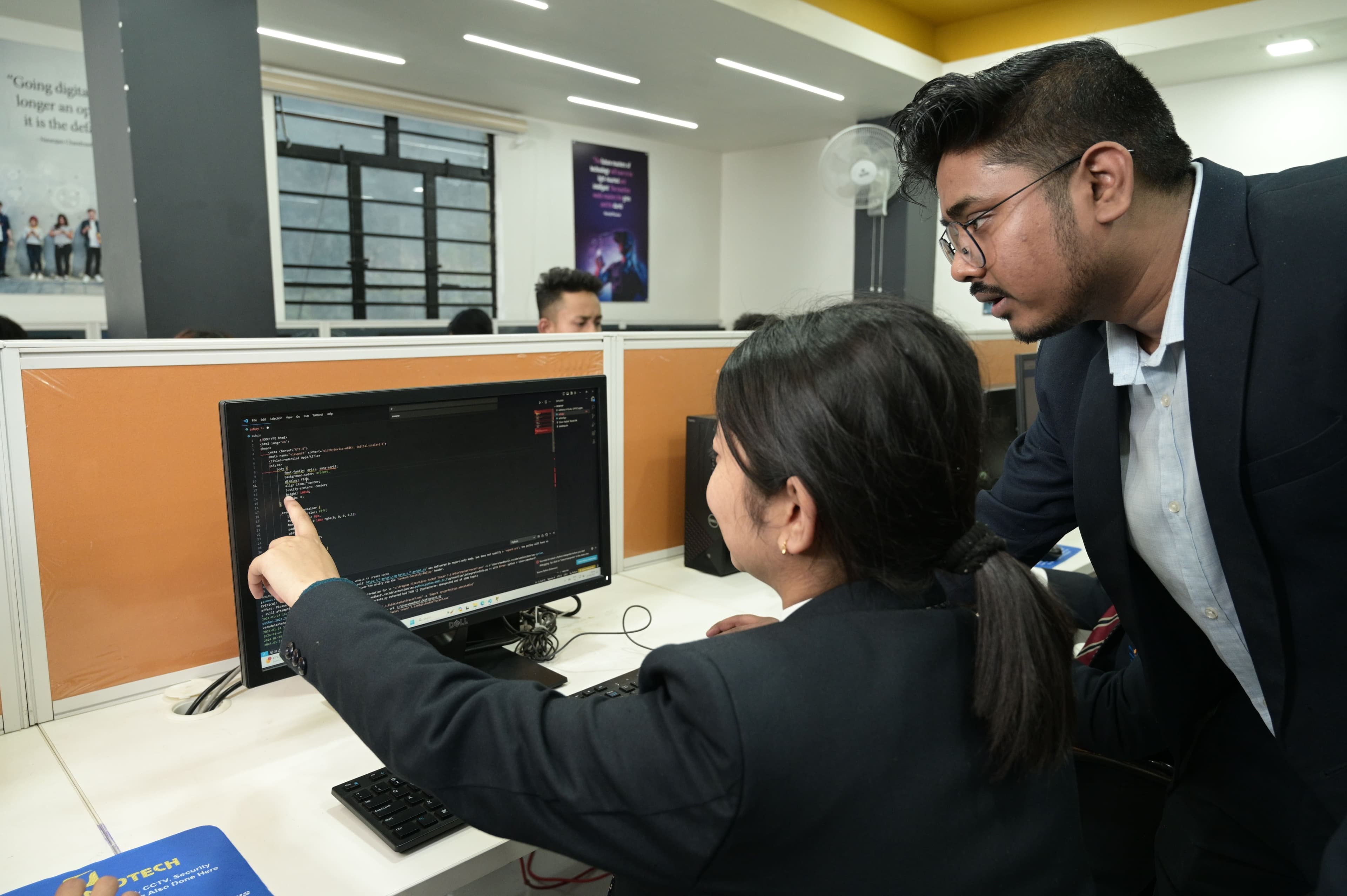
Practical exposure through labs, simulations, and internships ensures that learners can apply their knowledge to real-world problems, preparing them for diverse roles across industries.
The Possibilities of Cloud Computing and its Future
As new technologies like AI, IoT, blockchain, and edge computing intersect with cloud environments, the discipline of cloud computing engineering will evolve. Companies are adopting hybrid and multi-cloud environments and will require skills in advanced integration, security and optimization. Those who continue learning and become certified in these trends will always be a valuable resource in the digital age.
In a time of data, connectivity, and automation, cloud computing is acting as a catalyst of innovation across the globe. The demand for cloud professionals continues to grow, making it a great career for those looking to be technologists. Students and professionals can gain a solid foundation for a dynamic, future career by taking a course in cloud computing that has a well-balanced cloud computing syllabus.
Whether you are an IT graduate, a software developer, or a working professional looking to advance, cloud computing can open up endless opportunities for you to continue to grow, innovate, and lead the future of technology.
Cybersecurity & Cloud Computing: Skills for a Future-Ready Career
Why Choose Medhavi Skills University?
Focus on Employability: Programs designed to equip students with job-ready skills through industry-led curriculum.
OJL-Integrated Learning: The only university in Sikkim to align its curriculum with On-the-Job Learning (OJL) for real-world exposure.
100% Government Scholarship Support: Ensuring every eligible student applicant receives government financial assistance.
Strong Placement Network: Extensive industry partnerships and immersion opportunities for seamless career transitions.
Advanced Infrastructure: State-of-the-art labs and facilities across all schools for hands-on training.
Practical Learning Approach: Real-life problem-solving integrated into coursework.
National Recognition: Ranked 4th among Skills Universities in India by Outlook.