Holistic Faculty Development Programme 2026
About the Event
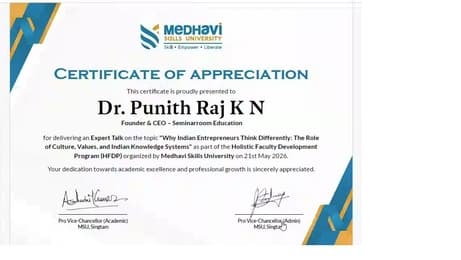
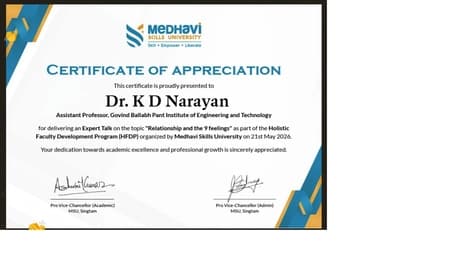
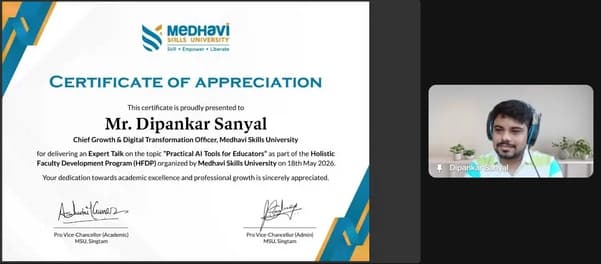
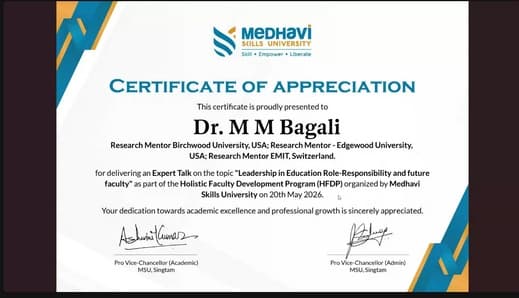
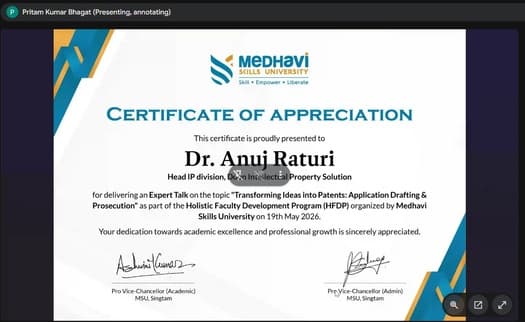
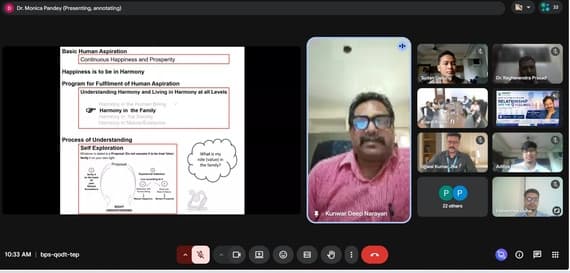
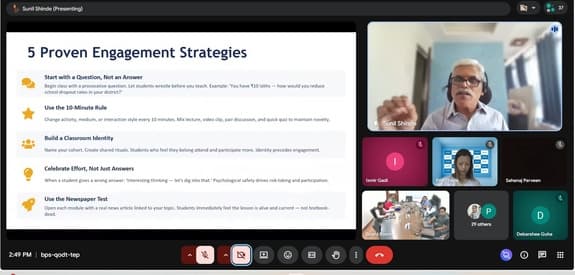
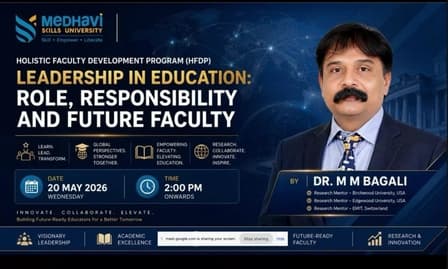
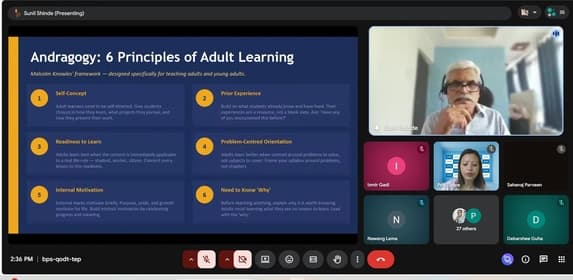
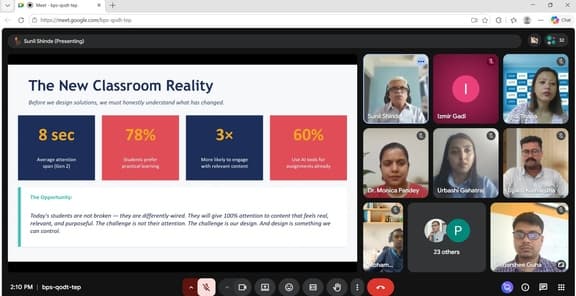
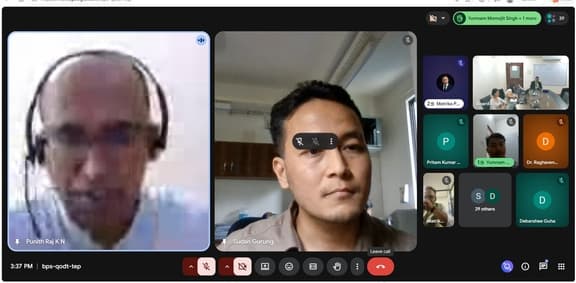
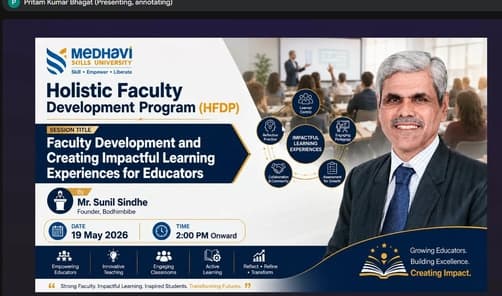
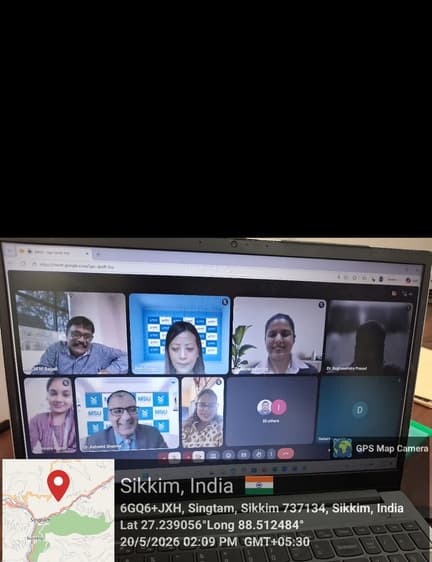
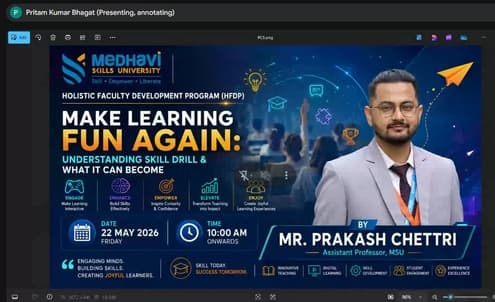
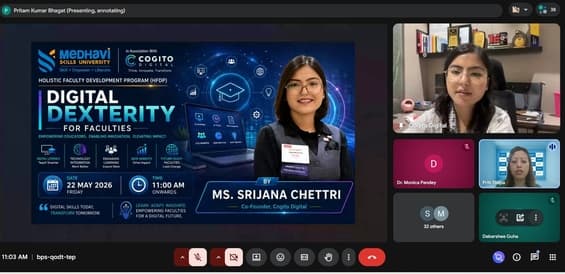
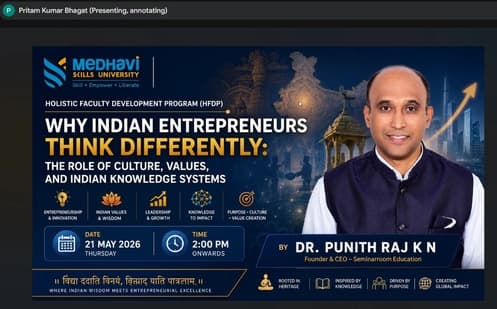
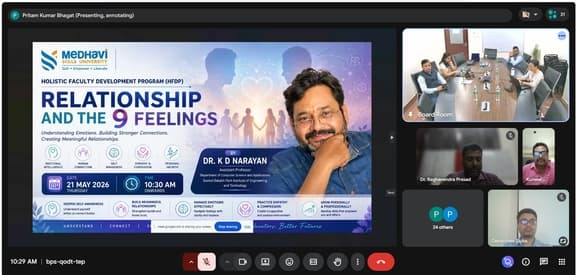
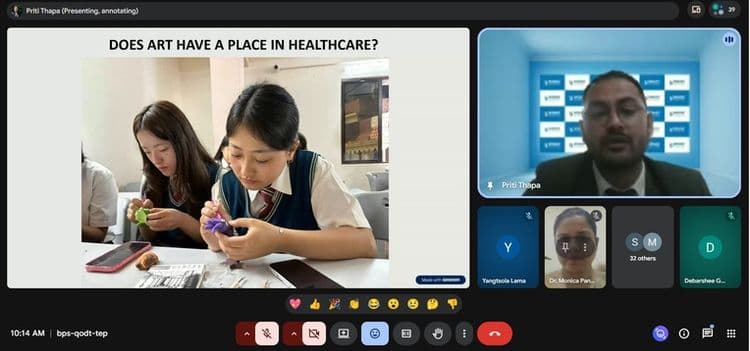
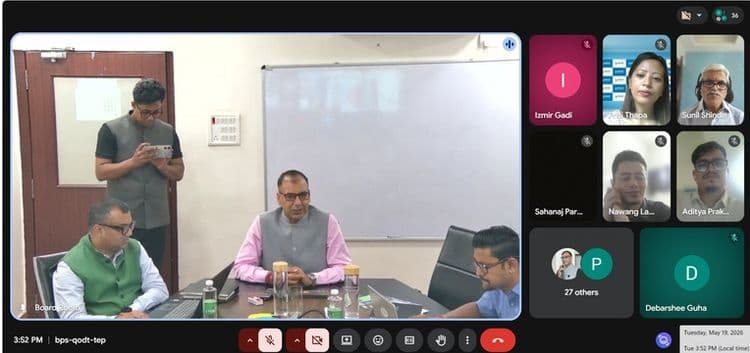
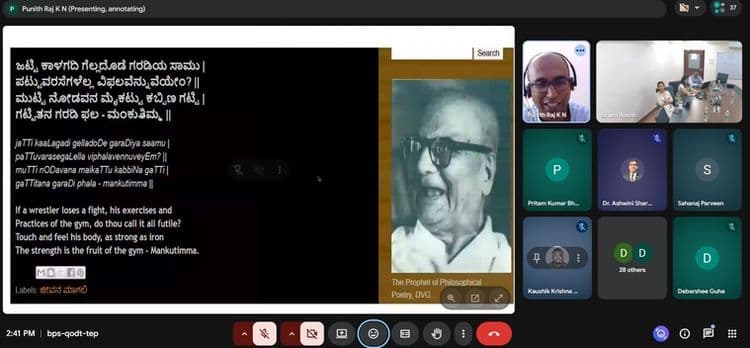
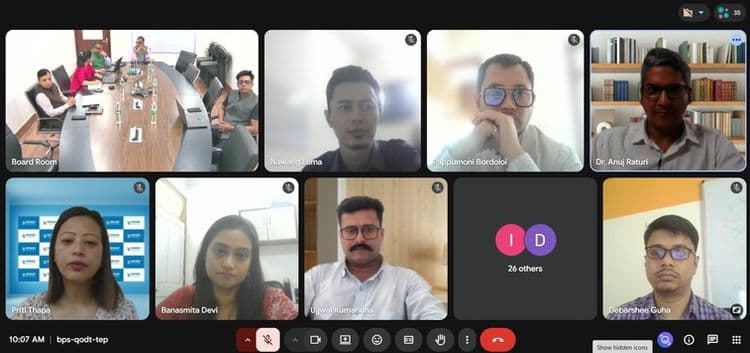
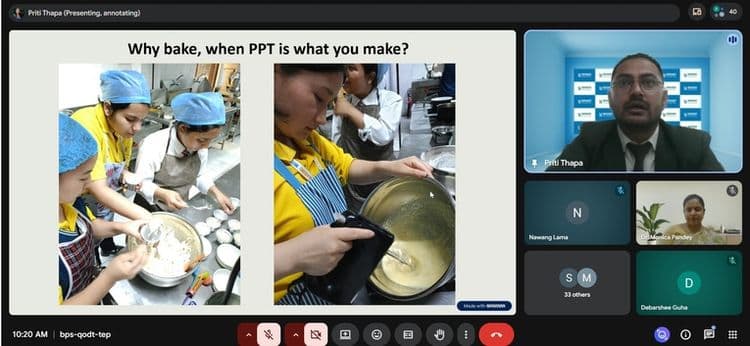
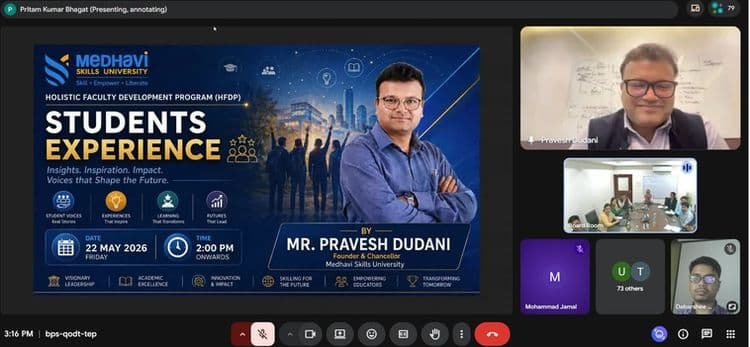
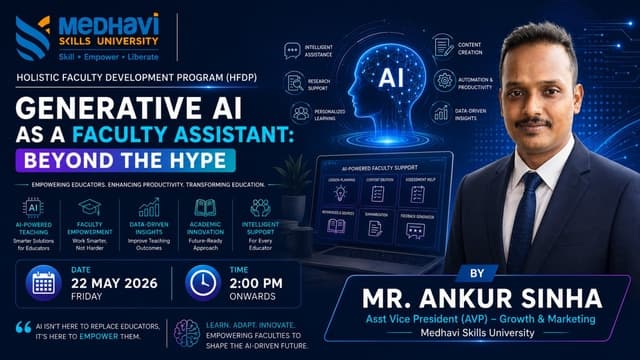
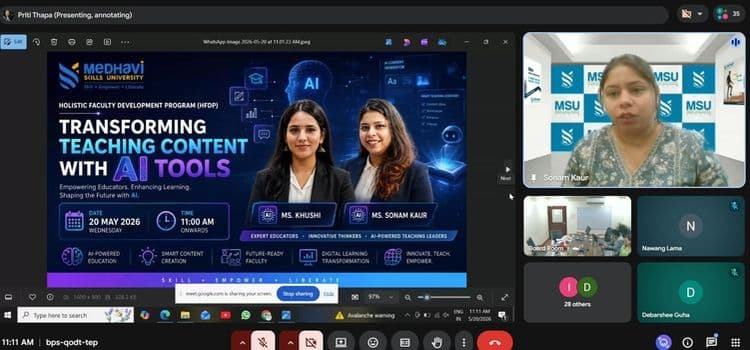
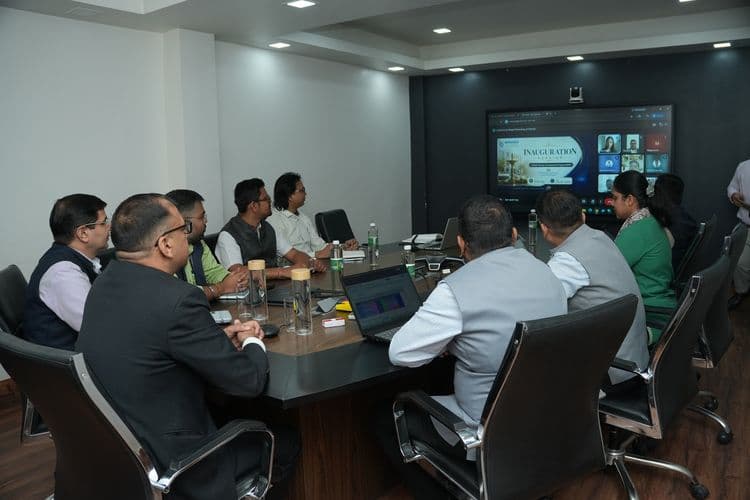
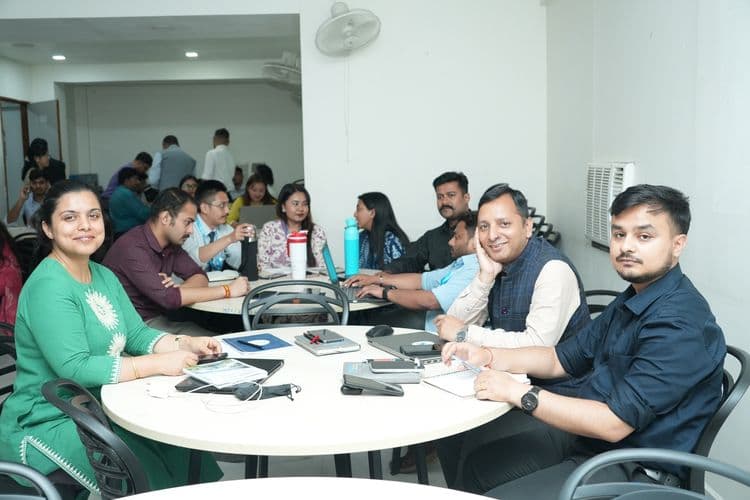
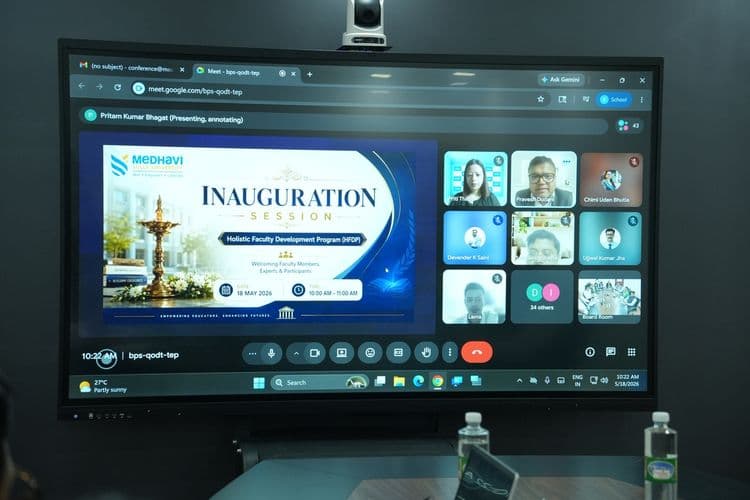
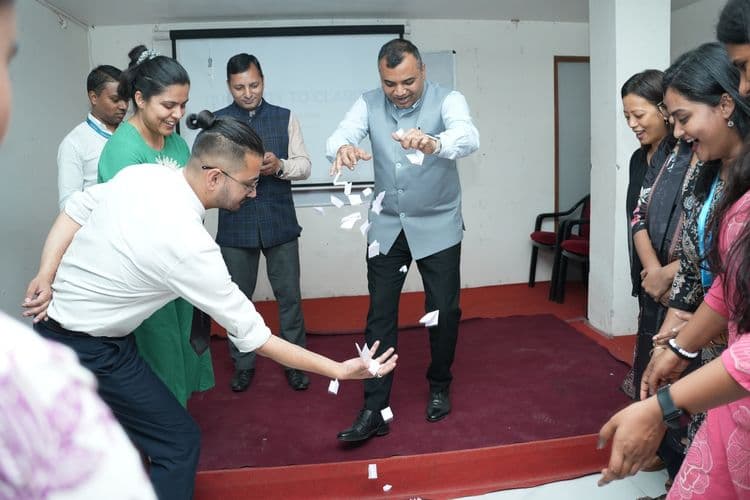
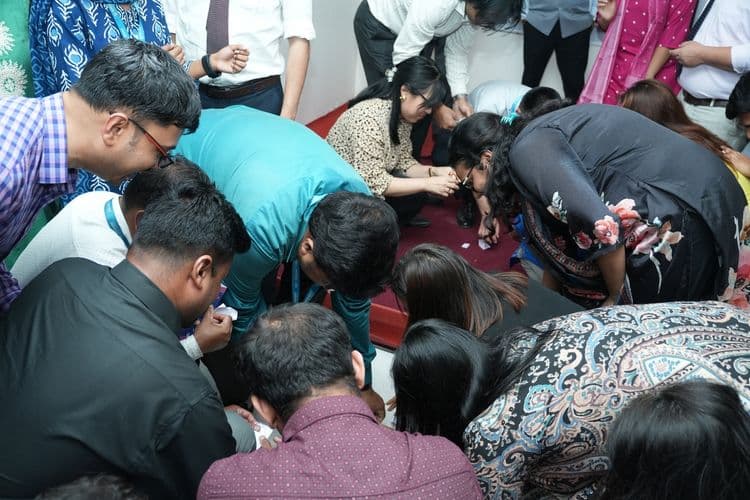
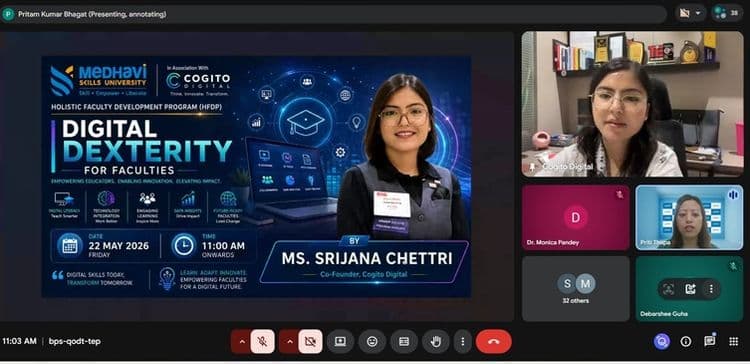
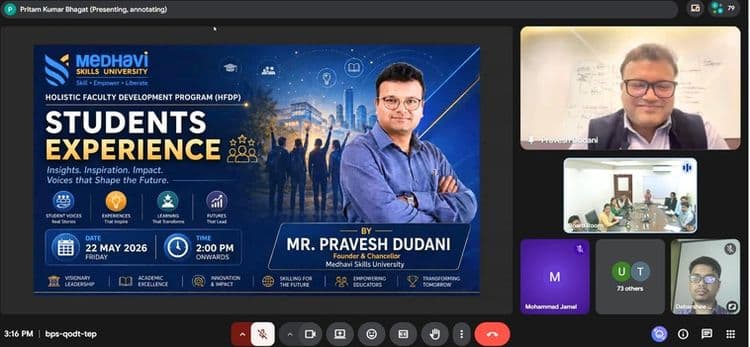
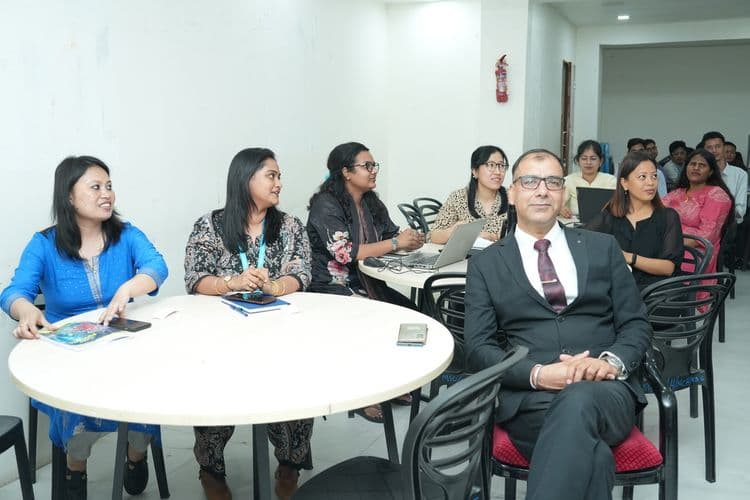
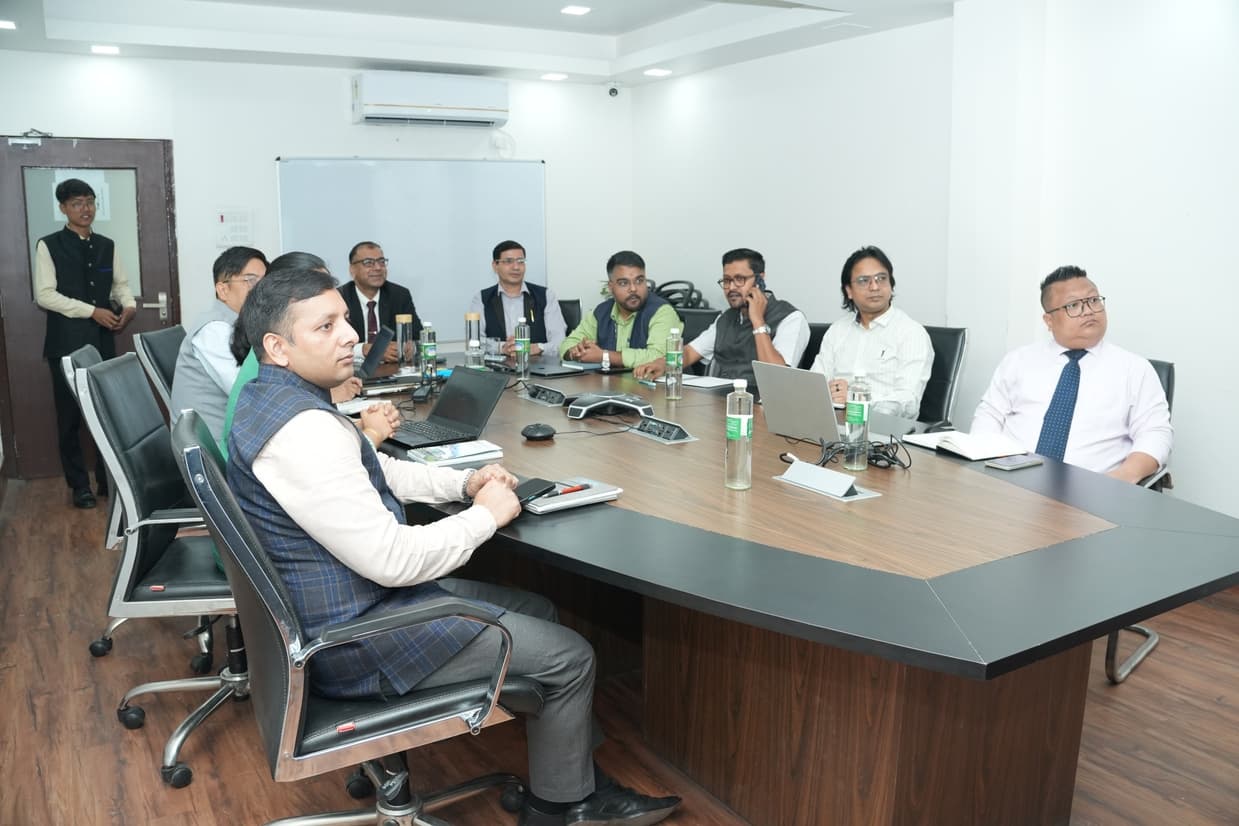
The week-long Holistic Faculty Development Programme (HFDP) organised by Medhavi Skills University from 18–22 May 2026 brought together academic leaders, industry experts and education professionals to explore the evolving landscape of higher education. The programme focused on learner-centred pedagogy, digital transformation, artificial intelligence, industry engagement, educational leadership and experiential learning. Through interactive sessions, practical demonstrations and reflective discussions, faculty members gained valuable insights into innovative teaching practices, intellectual property, entrepreneurship and student development. The HFDP served as a dynamic platform for professional growth, equipping educators with the knowledge, skills and perspectives required to create meaningful, future-ready learning experiences. Day 1: Building Foundations for Holistic and Technology-Enabled Education The inaugural day established the programme’s vision of transforming higher education through learner centred and application-oriented teaching. Sessions explored the role of AI in education, workflow automation and digital transformation, offering practical demonstrations of emerging tools and technologies. Faculty members also engaged in collaborative activities focused on curiosity-driven learning, effective communication and outcome-based teaching. The discussions emphasised innovation, adaptability and continuous professional development, encouraging educators to embrace research oriented, student-focused approaches while integrating technology responsibly into academic and institutional practices. Day 2: Strengthening Innovation, Intellectual Property and Modern Pedagogy Day 2 focused on Intellectual Property Rights (IPR), critical thinking and impactful teaching practices. Participants gained a comprehensive understanding of patents, trademarks, copyrights, geographical indications and the patent application process, highlighting the importance of protecting innovation and research. The second session explored learner engagement through interactive teaching, storytelling and critical thinking strategies, while introducing AI-supported educational tools. The day reinforced the role of faculty as facilitators of learning and innovation, encouraging the integration of legal awareness, creativity and technology into contemporary teaching and research environments. Day 3: Connecting Industry, Innovation and Educational Leadership The third day combined industry engagement, digital innovation and leadership development. Faculty members interacted with healthcare professionals who shared insights into workforce expectations, quality standards and emerging opportunities in the healthcare sector. Sessions on AI-enabled content creation demonstrated how digital tools can transform educational resource development and learner engagement. The day concluded with a thought-provoking discussion on educational leadership, highlighting mentorship, empathy and ethical responsibility. Together, the sessions underscored the importance of balancing industry relevance, technological competence and human-centred leadership in higher education. Day 4: Nurturing Human Values and Entrepreneurial Thinking Day 4 explored the intersection of human values, education and entrepreneurship. Discussions on building meaningful faculty-student relationships highlighted trust, respect and empathy as the foundations of effective learning environments. Participants reflected on creating inclusive, learner-centric classrooms aligned with the principles of NEP 2020. The second session examined India’s thriving startup ecosystem, emphasising resilience, adaptability and execution as key drivers of entrepreneurial success. Through practical insights and personal experiences, faculty members were encouraged to foster critical thinking, innovation and entrepreneurial mindsets among students. Day 5: Reimagining Education Through Experience, Technology and Leadership The concluding day focused on experiential learning, digital literacy, AI-assisted teaching and student centred leadership. Sessions showcased the value of skill-based education through practical learning experiences that promote creativity, empathy and entrepreneurship. Faculty members explored digital tools and AI applications designed to enhance teaching effectiveness while preserving the human dimensions of mentorship and guidance. The programme concluded with reflections on student experience, educational quality and institutional growth. Day 5 reinforced the need for educators to balance technological innovation with compassion, adaptability and a commitment to lifelong learning.
Event Gallery