Overview: Choose the Right Course After 12th
One of the most critical academic decisions that affect future career paths is how to choose the right course after 12th. Students usually look at various choices but are not sure which will result in a stable, interesting and rewarding future. A structured approach can help students determine a path based on their skills, interests and goals. This blog aims to provide a guide for students wanting to choose the right course after high school.
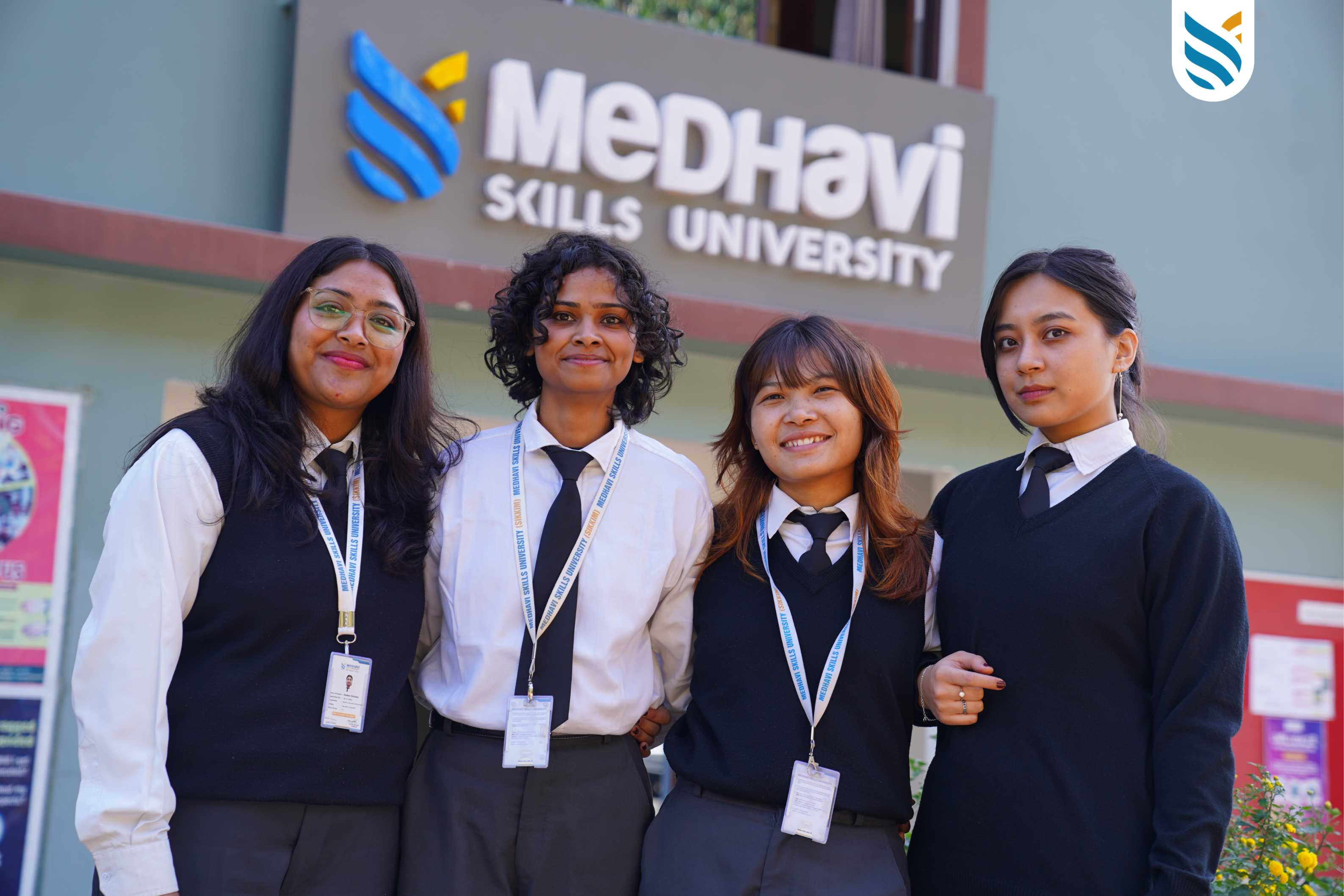
Institutions like Medhavi Skills University (MSU) are focused on providing students with academic knowledge and practical experience which will help them to flourish in today's job market.
Which Course is Best After 12th
There is no one best course after 12th for all students, the right course is usually different for each person, depending on their skills, career path and overall goals. Some students pursue an academic degree that allows them to continue furthering their knowledge in an academic manner and others prefer a job-ready programme with an emphasis on practical learning.
When considering career options after 12th, a student should consider:
- Interest in the chosen subject area
- Future job opportunities and feasibility of finding work
- Industry demand for that subject area
- Preferred learning style for acquiring knowledge
Science, Commerce and Arts Career Paths
The potential next steps in the following three streams of studies provide students with a variety of opportunities to pursue:
Science Stream
- Engineering and Healthcare Programmes
- Engineering, IT and Data Science Programmes
- Research and Applied Sciences
Commerce Stream
- Accounting and Finance
- Business Administration and Management
- Banking and Economics
Arts Stream
- Media and Communication
- Psychology and Social Sciences
- Design and Humanities
These stream wise career options provide students with a clear idea of the various options they can explore while choosing a specific stream.
Diploma vs Degree After 12th
During the process of course selection after 12th, the choice between pursuing a diploma versus a degree will heavily influence a student's decision to study.
Aspect | Degree | Diploma |
Length of programme | 3-4 years | 1-2 years |
Area of focus | Theory & practical application | Practical application |
Scope of work | Broader | Quick job entry |
Progression | Higher studies possible | Can lead to advanced diplomas or degrees |
Depending on a student's goals and career plan, the above-mentioned table provides a clear picture while career planning for students.
Skill Based Courses After 12th
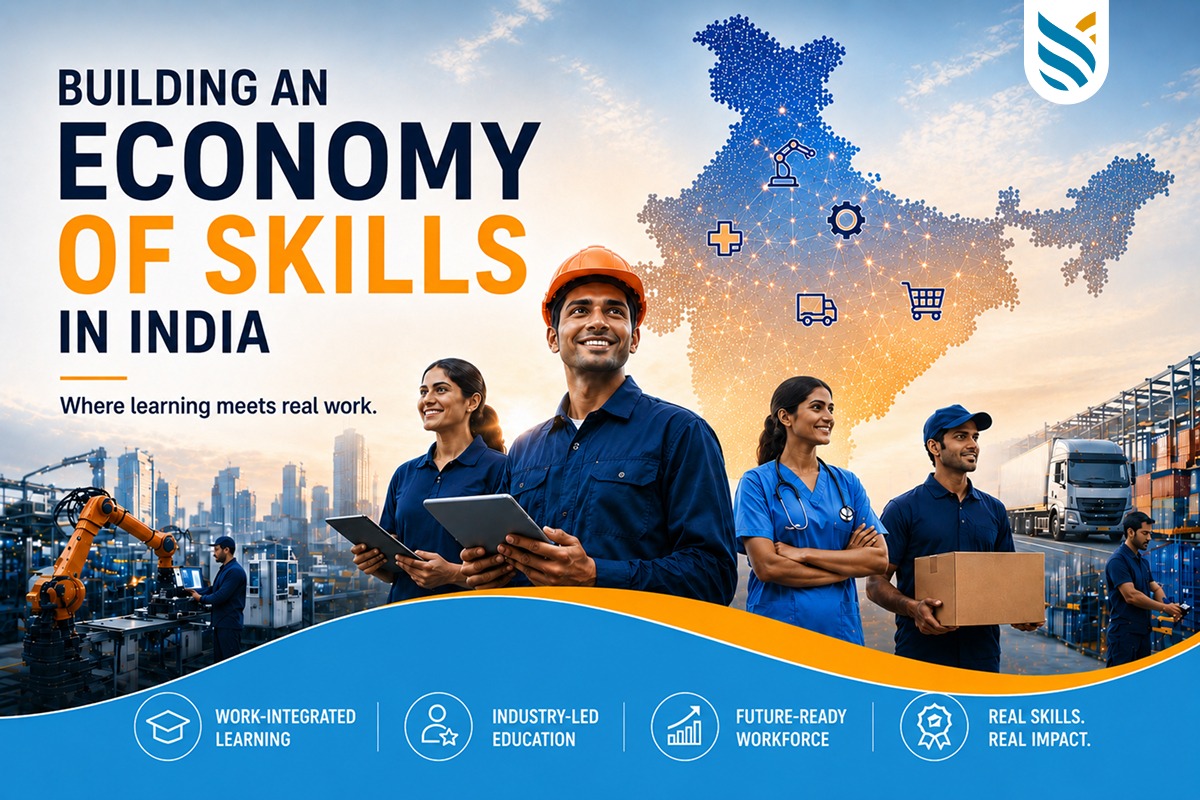
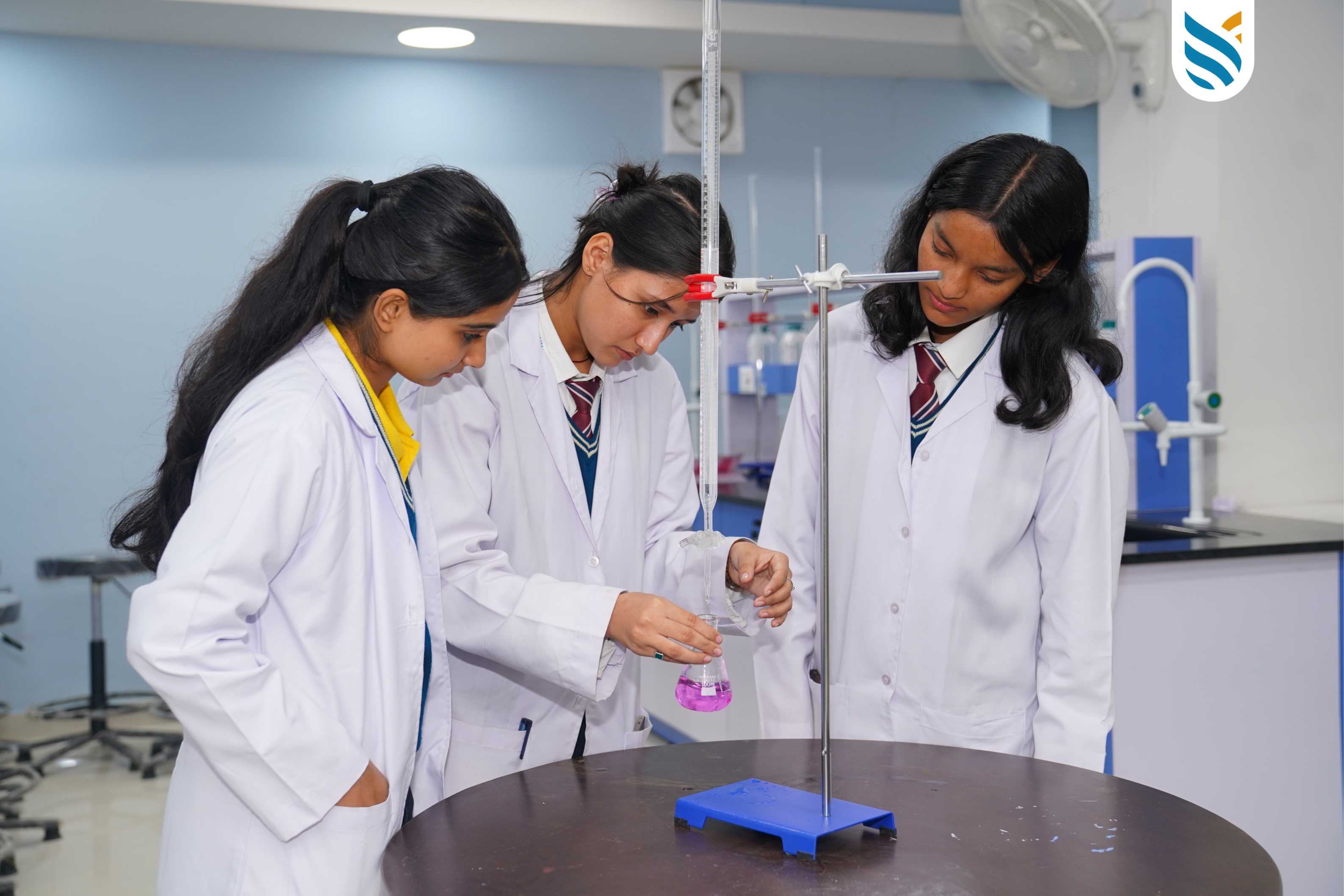
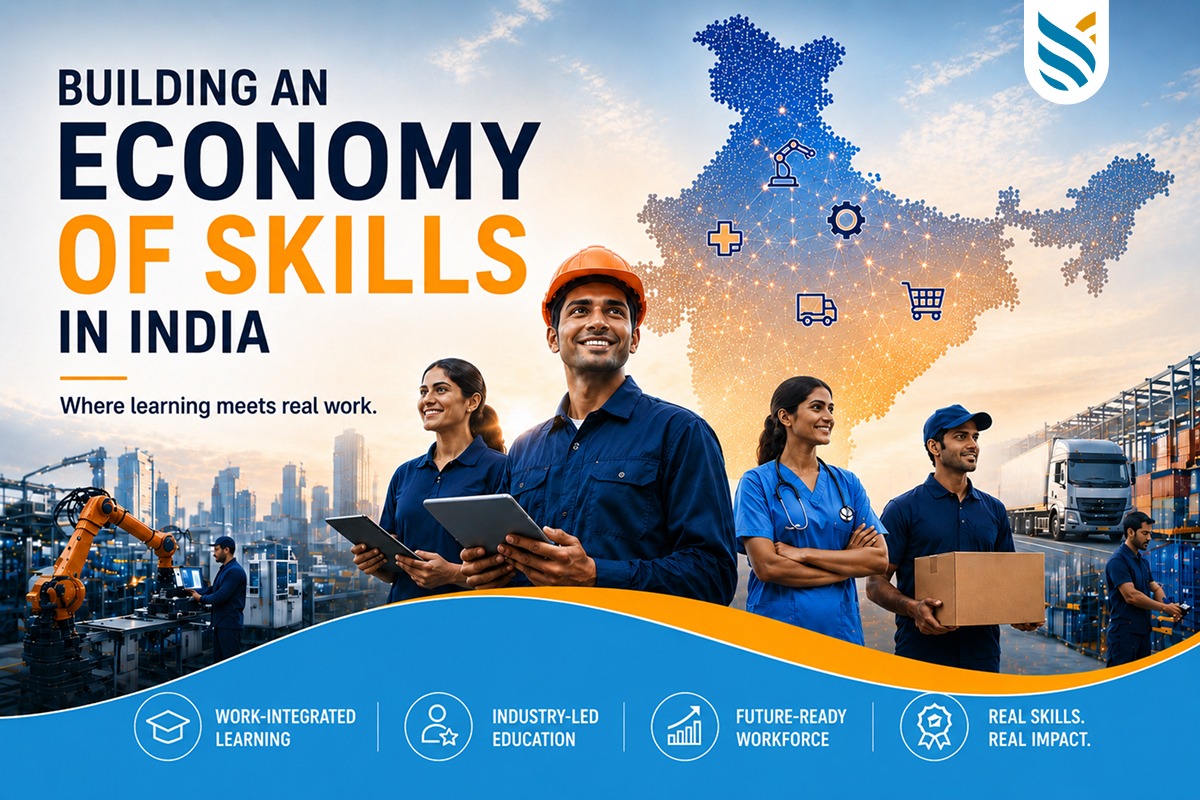
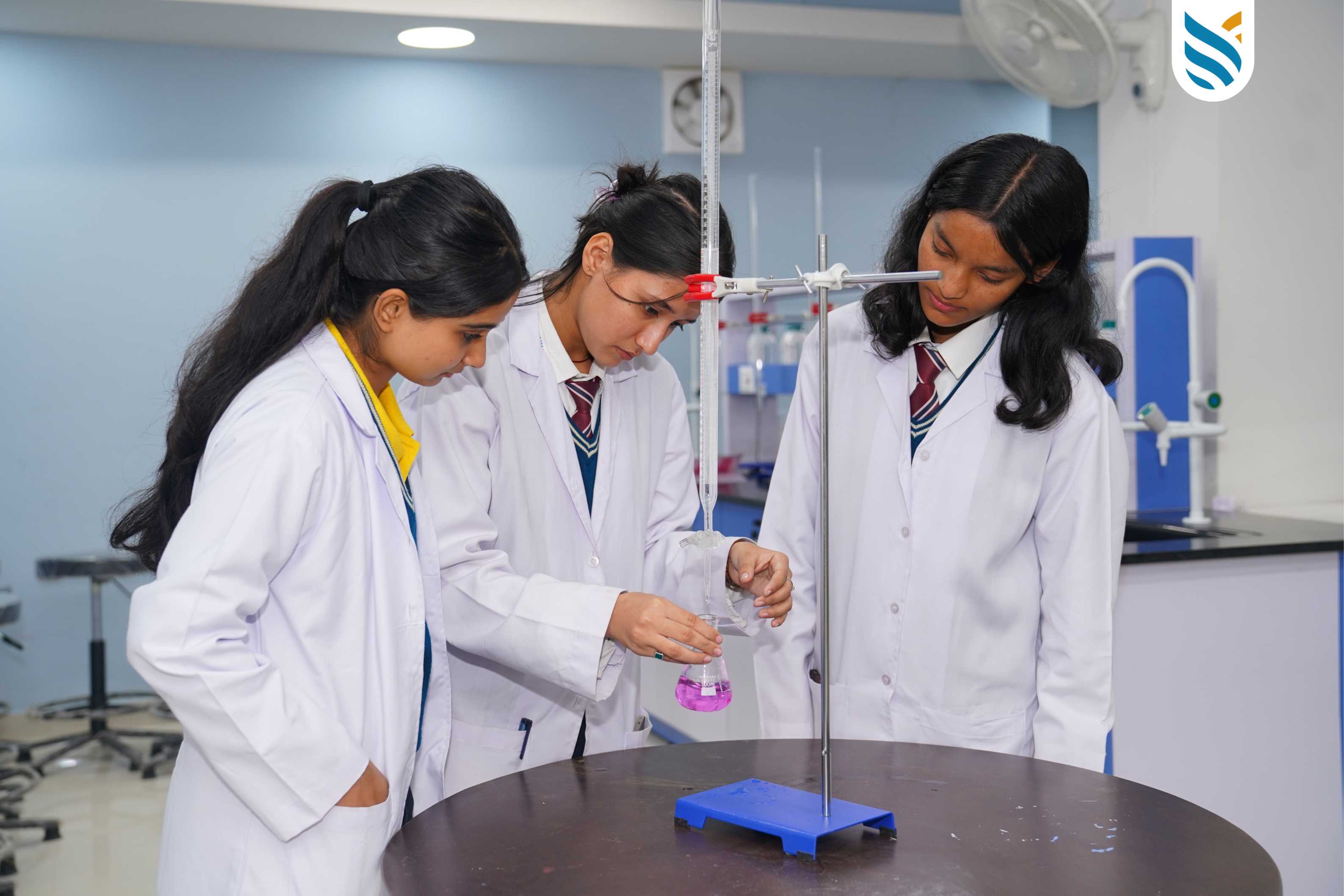
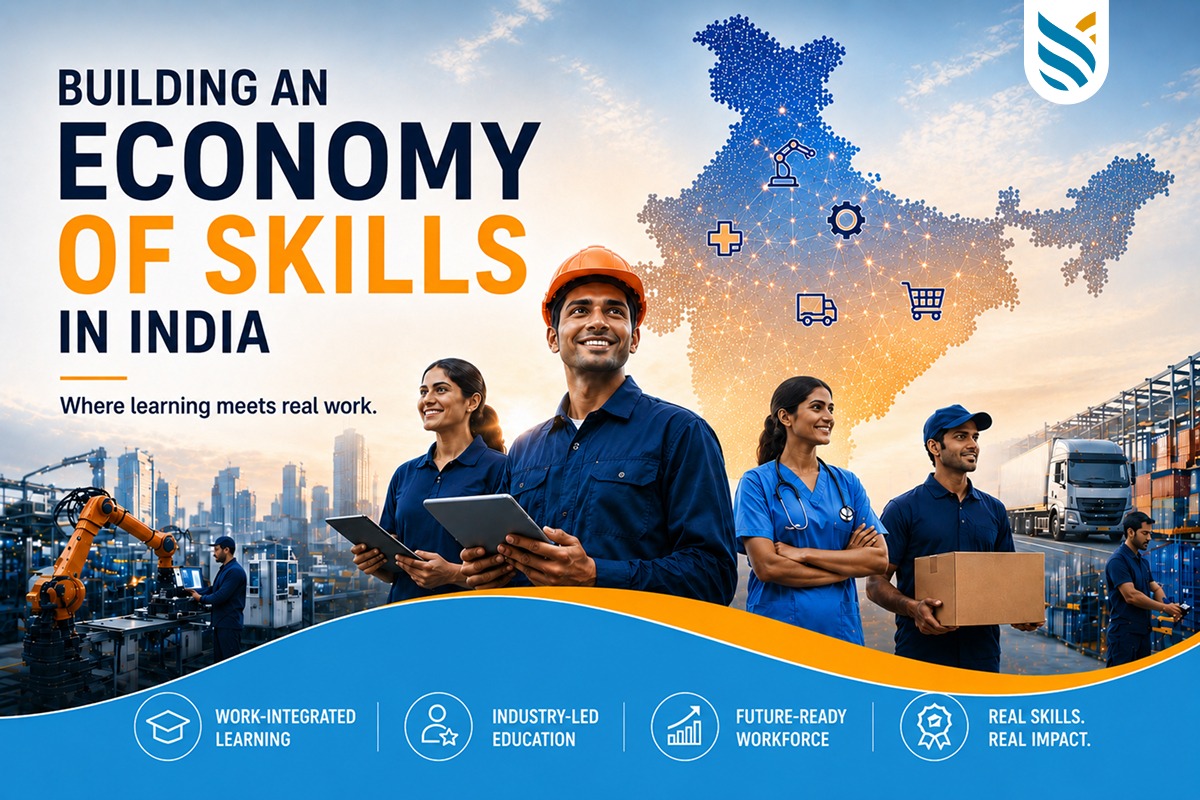
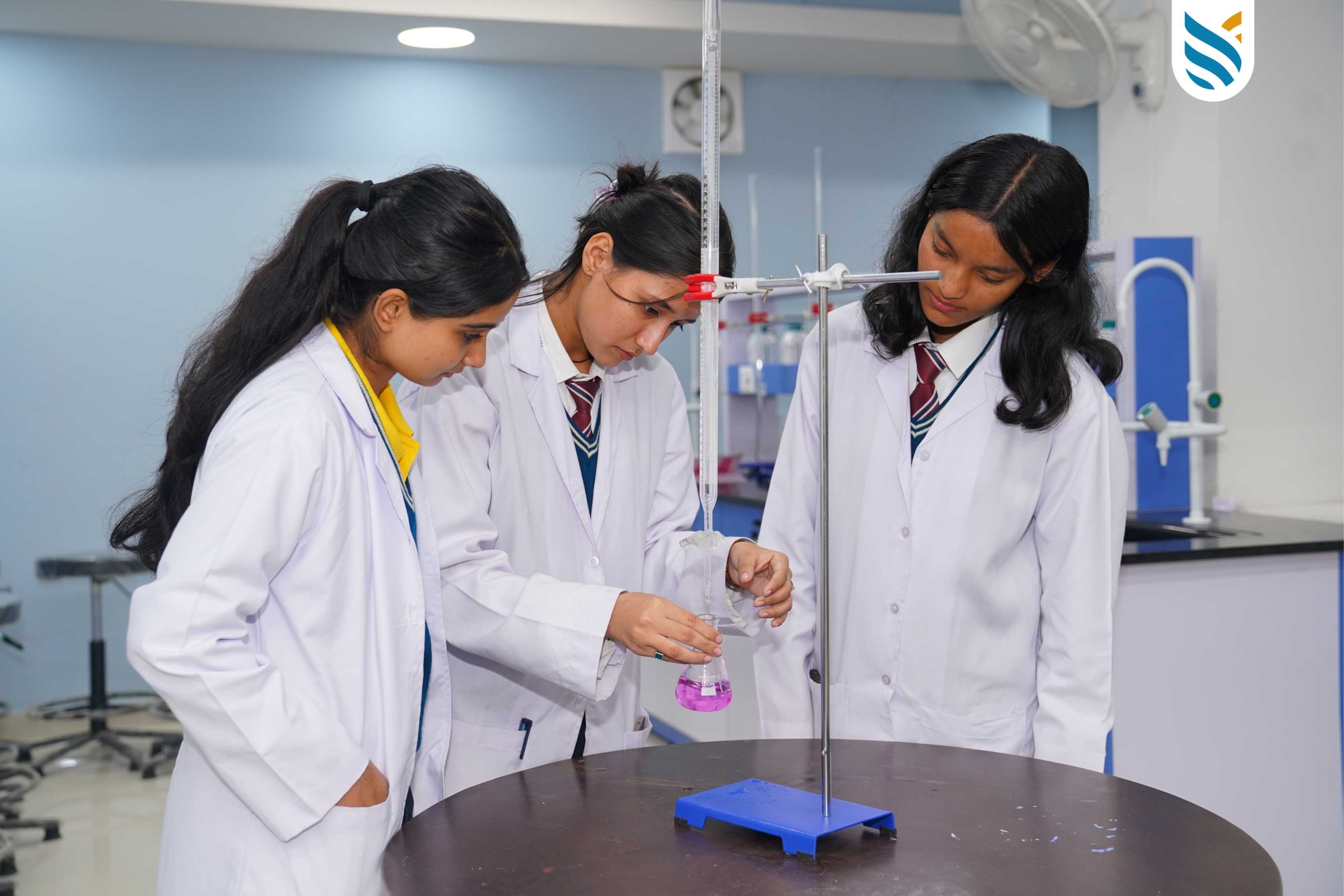
Currently in today's economy, skill-based courses after 12th are getting very popular. These courses provide a greater degree of relevance to the industry and therefore increases a student's employability scope due to the hands-on experience they gather along with industry exposure through on-the-job learning and real-world experience.
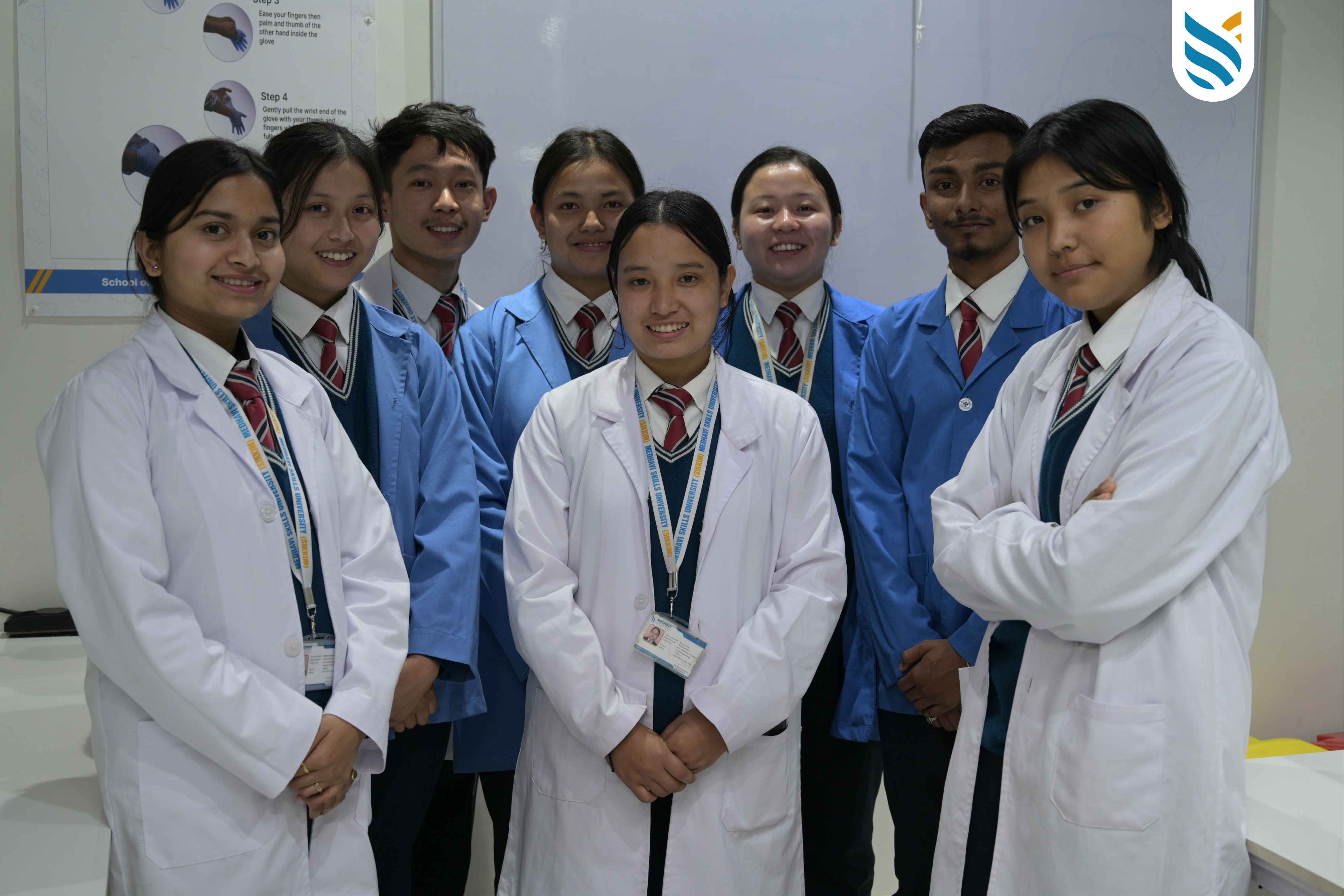
Medhavi Skills University (MSU) is one such university which realises their role in helping prepare tomorrow's workforce. This begins with providing job oriented courses after 12th that blend classroom learning and applying that knowledge through practical experiences which prepares the graduates to flourish in the workforce just after graduation. We are fully committed to providing students enrolled in job oriented courses following high school with an experience that will allow them to be ready for the current workforce.
Best Career Path After 12th
The best career path after 12th consists of a combination of passion led and employability focused courses. Each student must assess both current trends as well as the long-term sustainability of their area of interest based on the following criteria.
Key elements to consider:
- Opportunities for growth in the industry
- Availability of co-op and internship placements
- Skill sets required for the industry
- How well the student's skill set aligns with their personality or strengths.
There are many institutions, such as MSU, that focus on experiential learning and skills-based higher education.
Difference Between Degree, Diploma and Certification Courses
Comprehending these pathways is fundamental in graduation courses after 12th planning.
- Bachelor's degrees provide in-depth academic knowledge for long term careers.
- Diploma programmes teach practical skills for employment.
- Certification programmes are shorter, targeted towards upgrading the student’s skills.
Each of these options offers varying future scope courses after 12th based on the career that the student is pursuing.
Popular Career-Oriented Courses After 12th
Some of the most trending courses after 12th include:
- Computer science and IT programmes
- Healthcare and allied health science
- Hospitality and tourism management
- Business and management studies
- Media and communication studies
- Creative and design technology courses
Each of these courses is classified as professional courses after 12th. They are in demand with many opportunities available in both domestic and international markets.
How to Research the Right Course and College
A structured approach helps student determine the best path for them and also aids in the decision making process:
- Identifying personal interests and strengths
- Researching on industry and job roles
- Comparing course structure and outcome
- Checking for internship and placement support
- Determining if the course contents are relevant to the industry
Entrance exams after 12 may be necessary in order to apply for some programmes therefore, students should also take this into consideration.
With the assistance of MSU's academic counseling, students are able to make an educated decision based on their career aspirations.
Conclusion
Choosing the right professional path requires discipline, proper procedures and understanding of personal aspirations. Knowing how to choose the right course after 12th will help students align education with meaningful employment opportunities outside of the classroom such as degrees, diplomas or skills-based programmes. Skill-based programmes are designed to help students grow individually as professionals and find employment that is aligned with their skills and experience.